
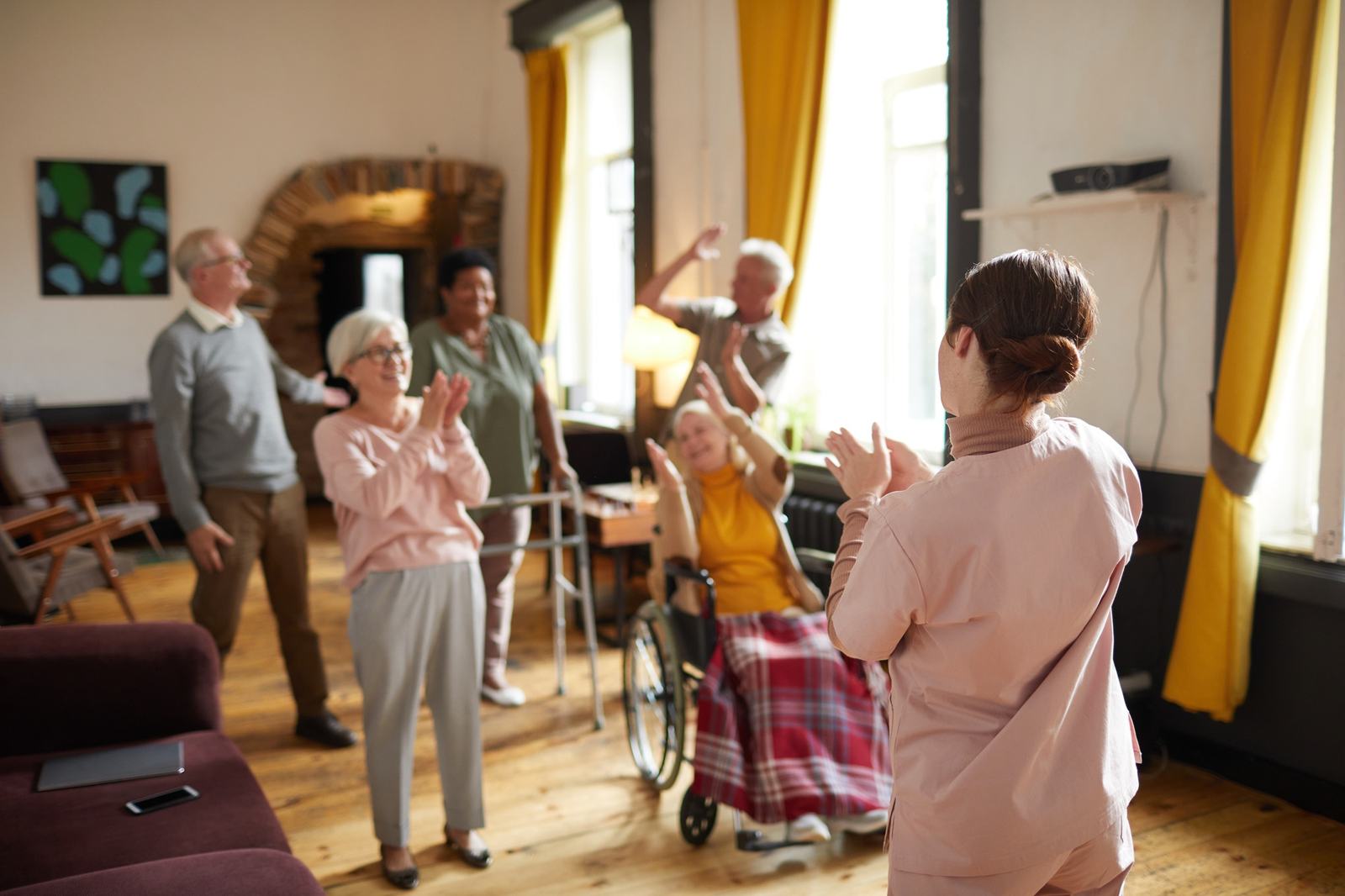
Retirement can be an exciting stage of life, offering older adults more time to pursue hobbies, build relationships, and enjoy activities they may not have had enough time for during their working years. However, maintaining an active social life can become more difficult when daily routines change, friends move away, or transportation becomes challenging.
Senior retirement communities with social activities can provide an environment where older adults have opportunities to connect with others while enjoying comfortable residential living. Rather than focusing only on housing, these communities can create structured opportunities for recreation, learning, exercise, and friendship.
For families researching retirement living options, bethanynd.org can be a useful resource for exploring senior living information and understanding the types of environments available to older adults.
Why Social Activities Matter During Retirement
Social connection is an important part of a fulfilling retirement. After leaving the workplace, seniors may lose some of the regular interactions that previously occurred through professional relationships.
A retirement community can provide a natural setting for meeting people with similar interests. Shared meals, group events, classes, clubs, and informal conversations can help residents develop new friendships.
Social activities can also give residents reasons to establish regular routines. Having something enjoyable to look forward to can make each week feel more engaging and purposeful.
Common Social Activities in Senior Communities
Every retirement community has its own schedule and selection of activities. However, several options are commonly available.
Group Games and Recreational Activities
Board games, card games, puzzles, trivia sessions, and similar activities can provide simple ways for residents to socialize.
These activities do not necessarily require advanced physical ability, making them accessible to many residents.
Arts and Crafts
Creative activities can give seniors opportunities to explore hobbies and express themselves.
Painting, drawing, knitting, woodworking, crafting, and seasonal projects can encourage residents to spend time together while working on individual creations.
Some communities may also organize exhibitions or displays where residents can share their work.
Fitness and Exercise Classes
Physical activity can be combined with social interaction through group exercise programs.
Depending on the community, activities might include walking groups, stretching, yoga, balance exercises, or other age-appropriate programs.
The type and intensity of exercise should always be appropriate for the individual’s abilities and circumstances.
Music and Entertainment
Music can bring people together and create memorable experiences. Retirement communities may host live performances, sing-alongs, movie nights, or music-focused social gatherings.
These events can provide entertainment while creating opportunities for residents to interact in a relaxed environment.
Educational Opportunities
Retirement does not have to mean stopping learning. Many seniors enjoy discovering new subjects, developing skills, and exploring interests they did not have time to pursue earlier in life.
Communities may organize educational sessions about history, technology, literature, gardening, cooking, art, or current topics.
Technology classes can be particularly useful because they can help older adults communicate with family members, use smartphones, navigate online services, and participate in digital activities.
Outdoor Activities and Community Events
Outdoor spaces can add another dimension to senior living. Gardening, walking groups, outdoor games, and seasonal events can encourage residents to spend time outside.
A community garden can be particularly engaging for residents who enjoy plants. Working together to care for flowers or vegetables can encourage conversation and create a shared project.
Seasonal celebrations can also provide opportunities for residents, families, and staff to come together.
Dining as a Social Experience
Meals can be much more than a basic daily necessity. Shared dining areas can provide residents with regular opportunities for conversation and companionship.
Instead of eating alone, residents can meet friends during breakfast, lunch, or dinner. Community meals may also include special events, holiday menus, or themed dining experiences.
Families evaluating a retirement community should consider not only the food but also the overall dining environment. A comfortable and welcoming dining area can contribute significantly to residents’ daily social experiences.
Clubs and Interest Groups
Interest-based clubs allow residents to connect with people who share similar hobbies.
Possible groups might focus on:
- Books and reading
- Gardening
- Photography
- Cooking
- Travel
- Movies
- Music
- Crafts
- Current events
- Games
- Local history
These groups can be particularly valuable because friendships often develop naturally when people regularly participate in activities they already enjoy.
Volunteer Opportunities
Many older adults want to remain involved in their communities and contribute their experience to others.
Retirement communities may organize volunteer opportunities such as charity drives, community projects, donation campaigns, mentoring, or support for local organizations.
Volunteering can provide residents with a sense of purpose while giving them opportunities to interact with people beyond the immediate retirement community.
Family-Friendly Social Events
Maintaining relationships with family members remains important after moving into a retirement community.
Some communities organize family days, holiday gatherings, outdoor events, celebrations, or special meals where residents can invite relatives.
These events can help families remain connected while allowing relatives to become familiar with the resident’s new environment.
Grandchildren can also benefit from visiting communities that provide welcoming spaces and activities suitable for multiple generations.
The Benefits of Regular Social Interaction
Consistent social interaction can support emotional well-being and help residents feel connected to their community.
Having regular conversations and activities may reduce feelings of isolation and encourage residents to remain engaged with the people around them.
Social activities can also provide structure. A resident may know that a particular group meets every Tuesday or that a favorite activity takes place every Friday afternoon. These predictable routines can make community life more enjoyable.
The National Institute on Aging provides guidance on the importance of social connection and staying engaged as people age, making social opportunities an important factor when considering senior living environments. National Institute on Aging.
Supporting Different Interests and Abilities
A strong retirement community should recognize that residents have different personalities, interests, and physical abilities.
Not everyone enjoys large group events. Some residents may prefer quiet activities, small discussion groups, or one-on-one conversations.
Others may enjoy busy schedules filled with classes, outings, entertainment, and social gatherings.
Providing a variety of activities allows residents to choose what feels comfortable and meaningful to them.
Accessibility is equally important. Activities should be adapted where appropriate so residents with different mobility levels or abilities can participate.
How to Evaluate Social Programs
Families should look beyond the phrase “social activities” when comparing retirement communities.
Ask what activities are offered, how frequently they occur, and whether residents have opportunities to suggest new programs.
It can also be useful to ask whether activities are included in the regular cost or require additional fees.
During a community visit, observe whether residents are actually participating. A long activity calendar is less meaningful if few residents attend.
Talking to current residents can also provide valuable insight into whether the social environment feels welcoming and engaging.
Location and Transportation
Social opportunities are not limited to activities inside the community.
Access to nearby parks, libraries, shopping areas, cultural attractions, restaurants, and community events can provide additional opportunities for residents.
Transportation services can make these activities more accessible, especially for seniors who no longer drive.
Families should ask about transportation schedules, destinations, accessibility, and whether residents need to reserve transportation in advance.
Helping New Residents Get Involved
Moving into a retirement community can initially feel unfamiliar. Some people may need time before they feel comfortable participating in activities.
Families and staff can encourage new residents to try different events without putting pressure on them.
Starting with smaller activities can sometimes make the transition easier. A casual coffee gathering or small hobby group may feel less intimidating than a large community event.
Over time, regular participation can help residents recognize familiar faces and build meaningful relationships.
Social Activities and Quality of Life
A retirement community should provide more than a place to live. It should offer an environment where residents can maintain interests, develop friendships, and continue participating in activities that give their days meaning.
Social programming is one part of that experience, alongside comfortable housing, appropriate support, dining, transportation, safety, and opportunities for independence.
When these elements work together, residents can have greater opportunities to enjoy an active and connected retirement lifestyle.
Conclusion
Senior retirement communities with social activities can offer older adults valuable opportunities for friendship, recreation, learning, and meaningful engagement. From exercise classes and hobby clubs to shared meals, educational programs, entertainment, and community outings, social programming can make retirement living more enjoyable.
The best community will not necessarily be the one with the longest activity calendar. Instead, families should look for a community that offers varied, accessible, and meaningful opportunities that match the resident’s personality and interests.
By evaluating activities, dining, transportation, accessibility, family involvement, and resident participation, families can make a more informed decision and help their loved ones find a retirement environment where they can remain socially connected and enjoy a fulfilling next chapter.

Leave a Reply