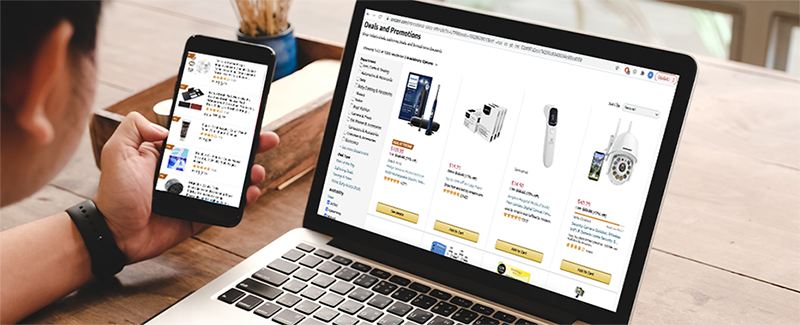
Online shopping makes it easy to find products, compare prices, and order items from the comfort of home. However, not every online store is trustworthy. Some websites are created to steal money, collect personal information, or sell counterfeit products. They may look professional and even copy the design of well-known brands, making it difficult for shoppers to recognize the warning signs.
Learning how to identify fake websites before buying online can help you protect your money and personal information. Whether you are purchasing electronics, clothing, home accessories, or digital products, a few simple checks can help you make safer decisions. The key is to look beyond attractive product images and discounted prices before entering your payment details.
1. Check the Website Address Carefully
One of the first steps is to examine the scoopbytese. Scammers often create addresses that look similar to legitimate businesses. They may add extra words, replace letters with numbers, or use a slightly different spelling to confuse visitors.
For example, a fraudulent website might use a domain that resembles a popular brand but includes an extra word or a different ending. A shopper who clicks quickly may not notice the difference.
Before purchasing, follow these precautions:
- Check the spelling of the domain name.
- Look for extra characters, unusual hyphens, or unnecessary words.
- Make sure the address matches the official business website.
- Avoid clicking unfamiliar shopping links in unsolicited emails or messages.
- If an advertisement claims to represent a well-known retailer, visit the retailer’s official website independently.
Pay particular attention when a website claims to represent a bank, technology company, or major retailer. A small difference in the web address can lead to a completely different website.
2. Be Careful With Prices That Seem Too Good to Be True
Unusually low prices are a common warning sign of online shopping scams. Fraudulent sellers may advertise expensive smartphones, branded shoes, laptops, or designer accessories at a fraction of their normal price.
Discounts are not automatically suspicious. Genuine stores regularly offer sales, seasonal promotions, and clearance deals. However, a website offering an expensive product at an unbelievable discount without a convincing explanation deserves closer examination.
Compare the same product across several established retailers. Check whether the model number, included accessories, warranty, and product condition match. A low price may reflect a refurbished item, an older model, or a limited promotion, but the seller should clearly explain the terms.
Be especially cautious when a website uses countdown timers, limited-stock messages, or repeated pop-ups to pressure you into purchasing immediately. These tactics can discourage shoppers from checking the seller’s reputation.
Take a moment to compare the offer rather than making a rushed decision. Walking away from a suspicious deal is better than risking your money.
3. Look for Genuine Contact Information
A trustworthy online store should provide reasonable ways for customers to contact the business. Depending on the company and location, this may include an email address, customer service number, business address, contact form, or support page.
Fake websites sometimes provide no contact details at all. Others display incomplete addresses, generic email accounts, or information copied from unrelated businesses.
Before placing an order, check the following:
- Is there a dedicated contact page?
- Does the company provide a working customer support email?
- Is the business address consistent with its stated location?
- Do the contact details match information found elsewhere?
- Can you find a clear explanation of how customer complaints are handled?
You can also send a simple question about delivery times, product availability, or returns. A useful response does not guarantee that a seller is legitimate, but evasive answers and pressure to pay immediately are reasons to investigate further.
Do not assume that a website is genuine simply because it displays a phone number or physical address. Verify important details independently whenever possible.
4. Read Customer Reviews From Multiple Sources
Customer reviews can reveal problems that are not obvious when browsing a product page. Look for feedback about delivery delays, unexpected charges, counterfeit products, poor customer support, and refund difficulties.
However, reviews should be evaluated carefully. Fake websites may publish fabricated testimonials, while dishonest sellers may pay for positive ratings or remove negative feedback.
Instead of relying on testimonials displayed on the store itself, search for the business name alongside terms such as “reviews,” “complaints,” or “scam.” Check multiple independent sources and pay attention to recent experiences.
Here are some warning signs to consider:
- Many reviews use nearly identical wording.
- Numerous five-star reviews appear within a very short period.
- Reviews describe products or services that the business does not offer.
- Several customers report missing orders or ignored refund requests.
- The website has glowing testimonials but almost no independent reputation.
A lack of reviews does not automatically prove that a new store is fraudulent. Small businesses may have limited online visibility. In such cases, verify the seller’s identity, policies, and payment options before proceeding.
5. Understand What HTTPS and the Padlock Symbol Mean
Website security is another important factor to check before shopping online. A web address beginning with HTTPS indicates that the connection between your browser and the website is encrypted.
You can usually identify HTTPS by looking at the beginning of the URL in your browser’s address bar. This encryption helps protect information transmitted during a session.
However, HTTPS does not prove that a website is honest. Scammers can also obtain security certificates and operate encrypted websites. Therefore, the padlock symbol should be treated as a basic security check rather than proof of legitimacy.
Before entering sensitive information, make sure you are on the correct website and that the checkout page belongs to the expected business. Never enter banking details simply because a page looks secure.
For additional protection, keep your browser updated, avoid shopping through suspicious pop-ups, and do not make purchases while connected to an unfamiliar public Wi-Fi network if you can use a more trusted connection.
6. Review Shipping, Return, and Refund Policies
A genuine online retailer should explain what happens after you place an order. Clear policies help customers understand delivery expectations, return conditions, refund eligibility, and possible extra charges.
Read these policies before making a payment. Check how long delivery usually takes, whether tracking information is provided, who pays for return shipping, and how refunds are processed.
Be cautious if the website has no return policy, uses confusing language, or makes contradictory promises about refunds. Another warning sign is a policy that claims the seller is never responsible for missing, damaged, or incorrect products.
Look for the following details:
- Estimated delivery times and shipping charges.
- Conditions for returning an item.
- Refund processing times.
- Warranty information where applicable.
- Customer support procedures for missing or damaged orders.
Some legitimate products are non-returnable, particularly personalized or digital items. The important point is that restrictions should be explained clearly before purchase.
Save a copy of the policies and your order confirmation. Written records can be useful if a dispute occurs later.
7. Choose Payment Methods That Offer Protection
The payment method you choose can affect your ability to recover money if something goes wrong. Whenever possible, use a reputable payment service or a credit card that provides transaction dispute options.
Avoid sellers who insist that you pay exclusively through cryptocurrency, gift cards, wire transfers, or other methods that are difficult to reverse. These payment methods can make it much harder to recover funds after a scam.
Depending on your country and provider, other options may include protected digital wallets or cash on delivery. However, cash on delivery is not a complete guarantee: you could still receive a counterfeit, damaged, or incorrect item.
Never share your banking password, one-time verification code, or other authentication credentials with a seller. A legitimate merchant does not need your banking login password to process an ordinary purchase.
If a payment page redirects you to an unfamiliar service, stop and verify that the payment provider is genuine before continuing.
8. Examine the Website’s Content and Design
Many fraudulent websites imitate legitimate stores by copying logos, product photographs, and brand colors. Although some scams look convincing, closer inspection may reveal mistakes.
Check the website’s spelling, grammar, product descriptions, and page consistency. Repeated paragraphs, broken links, low-quality images, and unrelated product categories can indicate that the website was assembled quickly.
Also look for a consistent business identity. The company name in the website header should match the name in its contact information, policies, and checkout process.
Be aware that professional design is not proof of legitimacy either. Scammers can create attractive websites using modern templates. Similarly, a poorly designed website may belong to a genuine small business.
Consider the overall evidence rather than making a decision based on appearance alone.
9. Research the Seller Before Placing an Order
Taking a few minutes to research an unfamiliar retailer can help you identify warning signs before spending money.
Start by searching for the store’s name and domain. Read independent discussions, customer complaints, and reports about its products or delivery practices. Check whether the business has a consistent online presence and whether its social media accounts show genuine customer interactions.
You can also review official consumer-protection guidance. The Federal Trade Commission’s online shopping advice explains how to evaluate sellers, compare offers, review return policies, and use safer payment methods.
For shoppers outside the United States, the same general precautions apply, although consumer rights and reporting procedures vary by country.
Do not assume that appearing in search results or running a social media advertisement means a store has been verified. Fraudulent sellers can promote websites through paid advertising and social platforms.
10. Protect Your Personal Information
A shopping website should request only the information reasonably necessary to complete a transaction. Your name, delivery address, contact information, and payment details may be required, but unrelated requests deserve scrutiny.
Be suspicious if a store asks for excessive personal information, banking passwords, identity documents without a clear reason, or security codes unrelated to the transaction.
Use unique passwords for shopping accounts, and enable two-factor authentication when available. Avoid saving payment details on unfamiliar websites. If you receive an unexpected message claiming that your order is delayed and asking you to sign in again, visit the retailer’s official website directly rather than following the message’s link.
These habits can reduce the risk of account theft, identity misuse, and unauthorized transactions.
Conclusion
Identifying fake websites before buying online requires more than checking a padlock symbol or reading a few customer reviews. Shoppers should examine website addresses, compare prices, verify contact information, review return policies, research sellers, and select payment methods that offer appropriate protection.
No single check can guarantee that an online store is legitimate. However, combining several simple precautions can help you recognize suspicious behavior before it becomes an expensive problem.
Whenever an offer feels unusually urgent or unrealistic, slow down and investigate. A few extra minutes of research can help protect your money, personal information, and overall online shopping experience.
