-

The Importance of Regular Skin Check-Ups With a Skin Doctor
The skin is the body’s largest organ, serving as the first line of defense against injury and environmental factors. While many people focus on skincare routines for cosmetic benefits, maintaining the health of your skin goes far beyond appearance. Regular check-ups with a skin doctor, or dermatologist, play a key role in identifying conditions that may otherwise go unnoticed. Why Are Skin Check-Ups Necessary? Skin is exposed to a variety of external and internal factors that can impact its health. Prolonged exposure to the sun can affect skin cells, and conditions like eczema or psoriasis can require professional attention to…
-

FAQs About How Botox Works
Botox is one of the most widely recognized treatments in the cosmetic industry. Frequently associated with reducing wrinkles and fine lines, it has garnered significant attention from individuals hoping to address specific cosmetic concerns. Despite its popularity, some people may hesitate to pursue Botox due to confusion or unanswered questions. What Is Botox? Botox is a purified form of botulinum toxin. It is a neurotoxin used in small, controlled doses for cosmetic or therapeutic applications. Within the cosmetic field, this treatment is predominantly used to temporarily reduce the appearance of dynamic wrinkles, which are lines formed through repetitive facial movements…
-

Myths vs. Facts About Laser Hair Removal
Some people believe laser hair removal causes severe pain. Most describe the feeling as a rubber band snapping the skin. This sensation lasts only seconds and fades quickly. Modern devices use cooling technology to reduce any discomfort during the session. You may feel mild heat, but it’s usually brief. Trained professionals adjust settings based on your skin and hair type. That adjustment makes the session smoother and easier to tolerate. Most people finish their treatment without needing numbing creams. Myth vs Fact: Safety and Side Effects Many think laser hair removal damages the skin or causes burns. When done by…
-

How Botox Can Address Both Cosmetic and Medical Concerns
Botox is widely known in the cosmetic industry, but its benefits extend beyond wrinkle reduction. By understanding the scope of what Botox can achieve, you can explore how it may support your aesthetic and wellness goals. Here is more information on some of the cosmetic applications of Botox and its lesser-known medical uses: Enhancing Appearance Botox is frequently used in cosmetic procedures to reduce the appearance of dynamic wrinkles. These are wrinkles formed over time through repeated facial expressions, such as frown lines, crow’s feet, and forehead lines. By targeting specific muscles, Botox minimizes their activity, leading to smoother-looking skin.…
-

How PRP Can Help Accelerate Healing After Skin Procedures
PRP stands for platelet-rich plasma, a natural product derived from your own blood. It contains a high concentration of platelets. These platelets help repair damaged tissues by releasing growth factors. These growth factors encourage healing and cell regeneration in targeted areas. Doctors extract PRP by drawing a small amount of blood from your arm. They then spin the blood in a centrifuge. This process separates the platelet-rich layer from other blood components. Once isolated, the PRP is either injected or applied to the skin. Why PRP Supports Faster Skin Recovery PRP helps heal the skin faster when used after cosmetic…
-

What To Expect From Laser Hair Growth Therapy
Hair loss can be a complex experience for many individuals, and understanding available treatment options can make dealing with hair loss easier. Laser hair growth therapy is a treatment that stimulates hair follicles and promotes growth. Here is more information on the process, types, and expectations surrounding this therapy: What Is Laser Hair Growth? Laser hair growth therapy is a non-invasive procedure that utilizes specific wavelengths of light to stimulate inactive or weakened hair follicles. Unlike surgical methods such as hair implants, laser therapy offers a pain-free, outpatient solution to manage hair thinning and encourage natural growth. The treatment is…
-
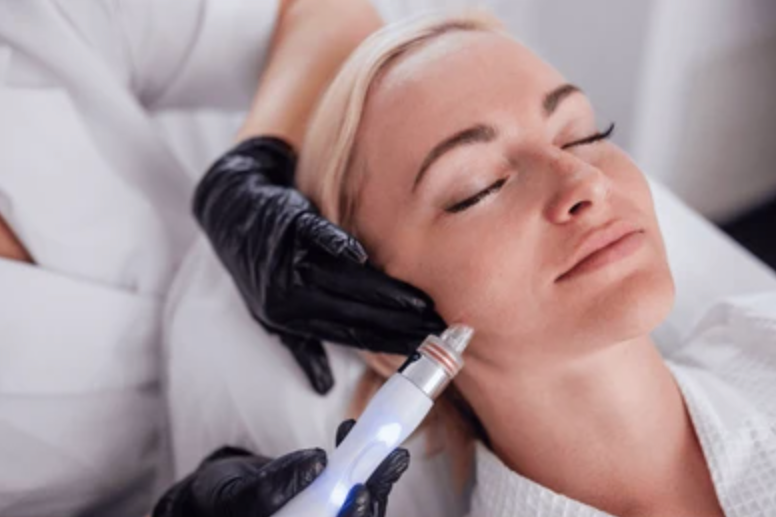
What Is the Most Effective Acne Scar Treatment for Me?
Acne scars can affect skin texture and appearance long after the blemishes themselves have cleared. Depending on the severity and type of scarring, a range of non-invasive, minimally invasive, and professional options exist to address these concerns. Here is more information on a few effective methods to improve acne scars and enhance skin health through surgical and cosmetic dermatology: Exploring Topical Treatments Acne scars can be treated through surgical and cosmetic dermatology. Topical treatments are excellent first-line methods for managing minor acne scars, especially discoloration and surface irregularities. These products often include active ingredients that target specific issues, including hyperpigmentation…
-
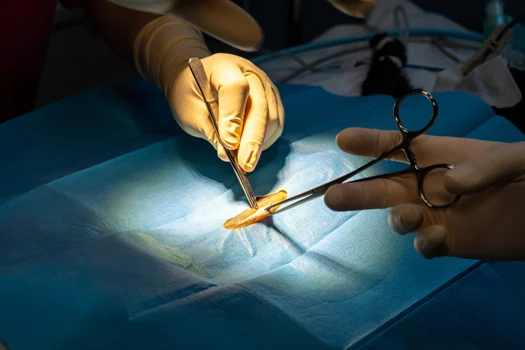
What to Expect During Recovery After Mohs Surgery
Proper care after Mohs surgery helps support healing and minimizes discomfort during the recovery process. Patients should follow their doctor’s instructions closely to ensure the best possible outcome. This guide provides clear steps and practical advice for managing the healing period. Cleaning and Dressing Changes Gentle cleaning of the wound is part of the recovery process. Use a mild, fragrance-free soap and lukewarm water to rinse the area. After cleaning, pat the wound dry with a clean towel, avoiding any rubbing or scrubbing. Dressing changes may follow your doctor’s advice, typically requiring a clean and sterile bandage. Here’s how to…
-

Why Early Intervention Matters for Hair Loss in Men and Women
Hair loss is a common concern that affects millions of men and women worldwide. It can begin as gradual thinning and, if left untreated, may progress to more noticeable hair shedding. Early intervention plays a key role in managing this condition. By understanding the fundamental causes and exploring tailored treatment options, individuals can make informed decisions to address their hair restoration goals. Causes of Hair Loss One of the most common causes of hair shedding is androgenetic alopecia, often called male-pattern or female-pattern baldness. This hereditary condition is driven by genetic predisposition and hormonal changes, which weaken hair follicles over…
-
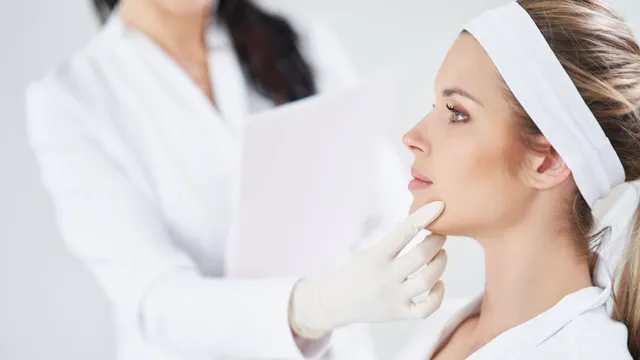
Exploring the Connection Between Skin and Mental Health
Skin health and mental well-being influence each other in many powerful ways, a connection often studied in dermatology. Stress can cause or worsen skin problems, and skin conditions can also affect how a person feels emotionally. This two-way link often creates a cycle that is hard to break. Understanding this connection helps people treat both skin and mind together. Treating one without the other may not bring full relief. When people address both, they often see better results. Stress and Its Effect on the Skin Stress affects the skin through the brain-skin connection. The body releases cortisol when stressed, which…