-
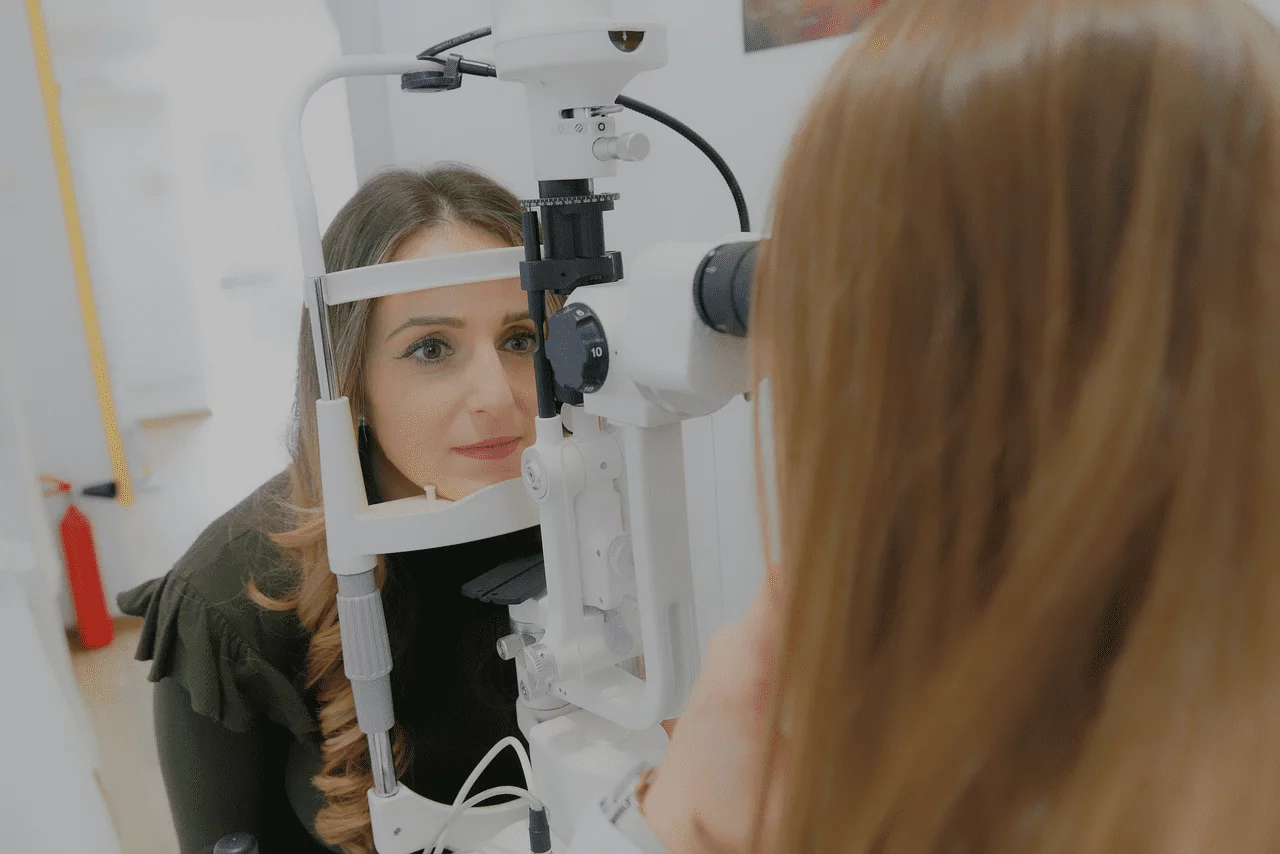
Choosing the Right Ophthalmologist for Your Needs
When it comes to protecting your vision, finding the right specialist is paramount. Ophthalmologists offer advanced expertise in diagnosing and treating a wide range of eye conditions. Understanding what to look for in an ophthalmologist can help you make an informed decision and help your eyes get the best level of care. Let’s explore what to pay attention to when looking for an ophthalmologist. Factors to Think About When Choosing an Ophthalmologist Selecting the right eye care physician from a pool of ophthalmologists involves evaluating several key aspects to match your specific needs and preferences. By assessing these factors carefully,…
-
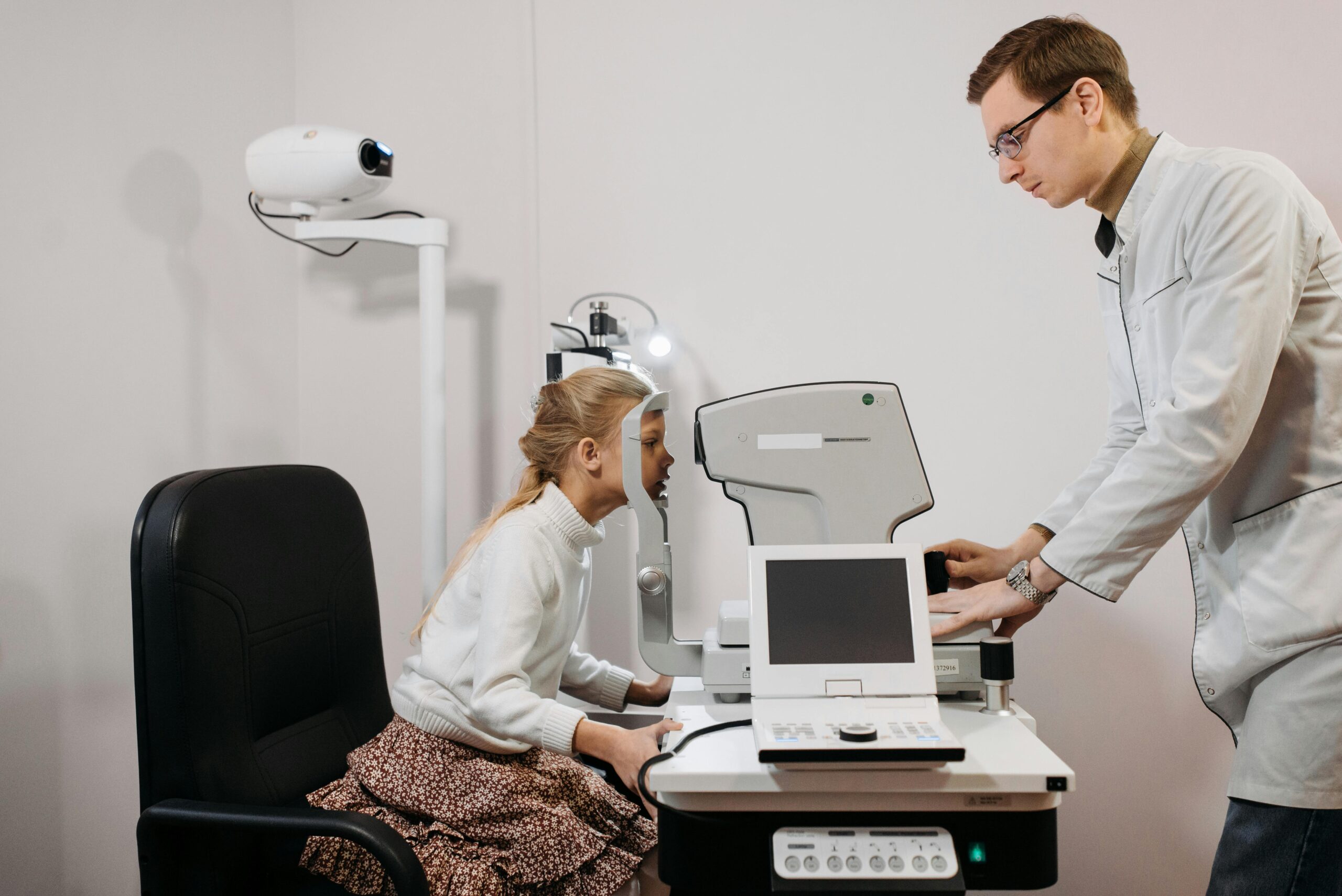
Understanding the Role of Eye Surgeons in Vision Correction
For individuals seeking lasting solutions to vision problems, eye surgeons play a key role in diagnosing and performing procedures that support clearer sight. While optometrists provide routine eye care, eye surgeons specialize in correcting structural issues that cannot be addressed with glasses or contact lenses alone. From refractive procedures to cataract removal, these professionals offer clinical insight and surgical expertise tailored to each patient’s visual needs. Addressing Refractive Errors Through Surgery Common vision problems such as nearsightedness, farsightedness, and astigmatism stem from how the eye focuses light. When corrective lenses no longer meet a person’s needs or preferences, surgical alternatives…
-
How Eye Exams Help Detect Eye Diseases Early
Vision impacts nearly every aspect of your life, yet it’s easy to neglect regular checkups for your eyes. They provide an opportunity to catch vision changes and underlying conditions before they become more serious. Here’s how eye exams help you see better and also play a significant role in detecting health issues early: Detecting Diseases Early Eye diseases typically develop without noticeable symptoms, especially in their early stages. Regular eye exams allow for the timely detection of conditions, such as: Addressing these issues early can prevent prolonged damage, preserving your vision for years to come. Correcting Vision Problems Blurry vision or…
-
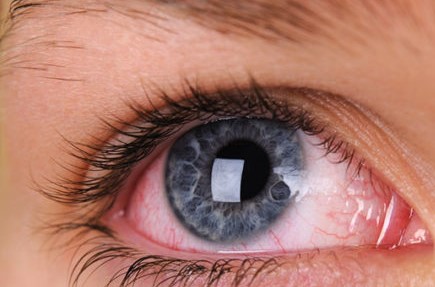
A Beginner’s Guide to Managing Red Eyes After Long Workdays
Prolonged workdays, especially those involving extensive screen time, may often lead to red eyes. This condition, while common, can be uncomfortable. A red eye occurs when the tiny blood vessels on the surface of the eye expand, often due to irritation, dryness, or strain. Here are practical strategies to address red eyes effectively after long workdays: Apply Cool Compresses The cooling effect of cool compresses can reduce inflammation and swelling, which are common contributors to redness. To use a cool compress, soak a clean, soft cloth in cold water, wring it out, and then place it gently over closed eyes…
-

How an Optometrist Can Help with Presbyopia and Age-Related Vision Changes
As people age, changes in their vision are common, and one of the most frequent conditions is presbyopia. This condition affects the eye’s ability to focus on nearby objects, often becoming noticeable around the age of 40. An optometrist plays a key role in diagnosing and managing these changes, helping patients adapt and maintain clear vision. Regular visits provide the foundation for understanding how age affects eyesight and what steps can support daily comfort and function. Identifying the Signs of Presbyopia People with presbyopia might first notice difficulty reading small print or feeling the need to hold reading material farther…
-
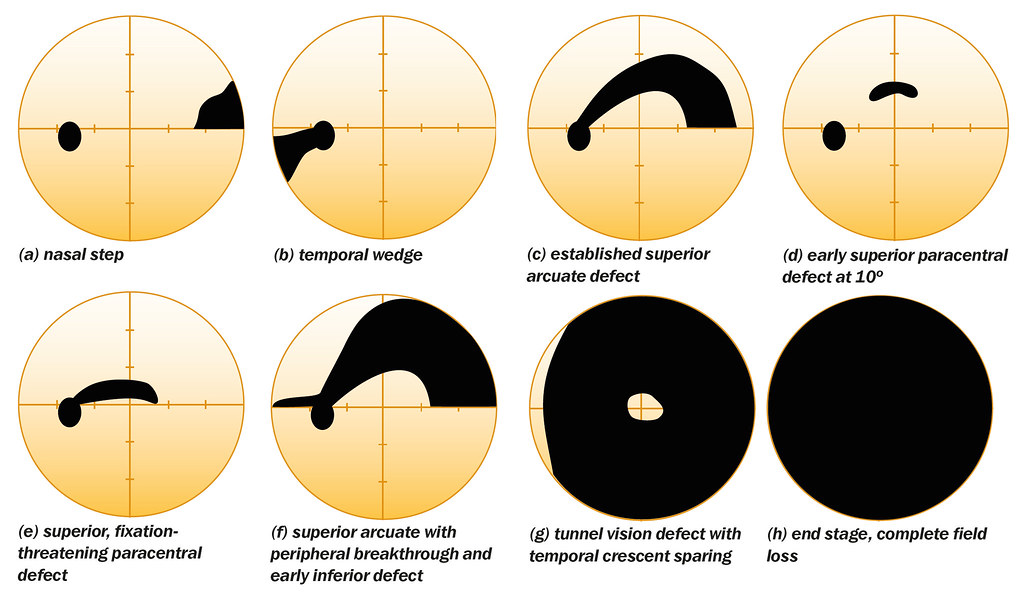
Understanding the Different Types of Glaucoma
Glaucoma refers to a group of conditions that involve increased pressure in the eye, potentially affecting vision over time. Though several forms exist, their different characteristics can help define the main types. Here’s how each one affects the eye differently, providing their characteristics to help provide clarity: Open-Angle Glaucoma Open-angle glaucoma is a primary form of the condition and progresses gradually. This type develops when the drainage structure of the eye remains open but is less effective at filtering fluid. Eye pressure may increase with little to no early symptoms. This characteristic makes regular eye examinations particularly useful in catching changes…
-

The Best Contact Lenses for Active Lifestyles:
If you lead an active lifestyle or play sports regularly, you’ve probably wondered whether contact lenses are the right choice for you. Compared to glasses, contacts offer several advantages, like greater freedom of movement and better field of vision. But not all lenses are suited for highly active individuals. This guide may help you discover which contact lenses work best for your lifestyle and what features to look for when choosing them. What Type of Contact Lenses Work Best for Athletes and Active Individuals Not all contact lenses are created equal, especially if you’re someone who frequently moves, exercises, or…
-
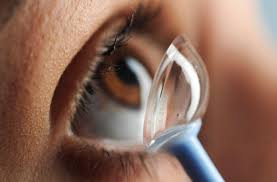
5 Types of Contact Lenses Your Eye Doctor May Recommend
Contact lenses are a popular vision correction option that offers convenience, flexibility, and an alternative to traditional eyeglasses. Optometrists consider various factors, such as a patient’s lifestyle, prescription needs, and eye health, when recommending specific types of contact lenses. Each lens type is designed to address different requirements, ranging from daily wear to specialized corrective solutions. Here are five key contact lens options that your eye doctor may recommend. 1. Soft Contact Lenses Soft contact lenses are made from flexible, water-absorbing materials that allow oxygen to pass through to the cornea. They are easy to adapt to and offer a…
-
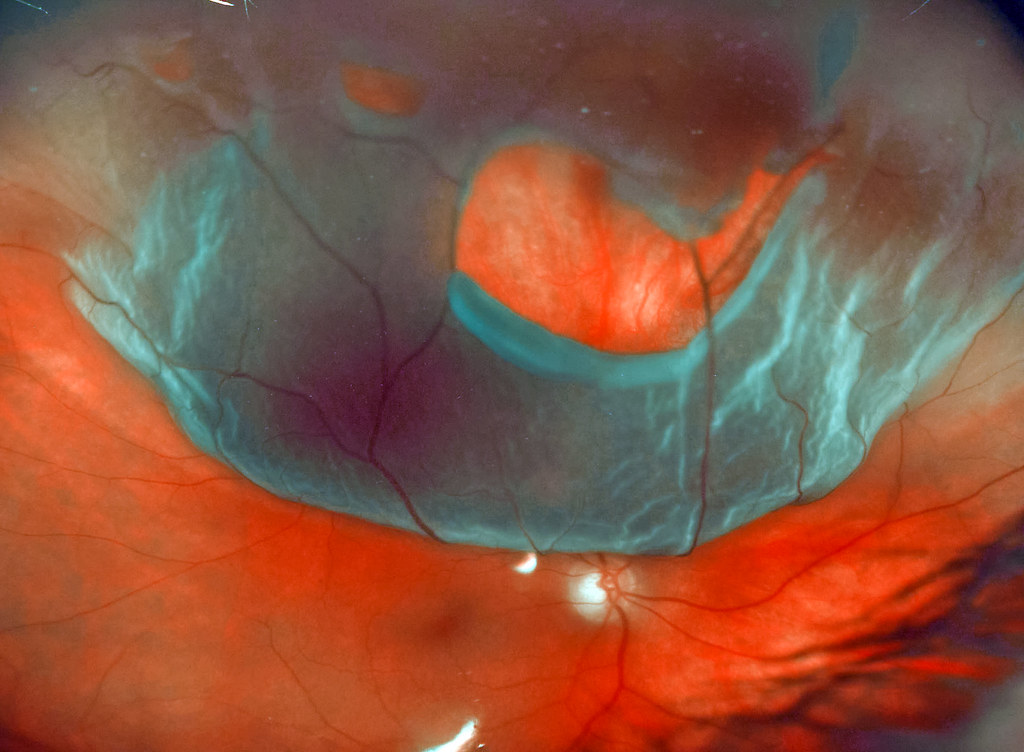
The Role of Genetics in Retinal Detachment
Retinal detachment happens when the retina pulls away from its normal position in the eye, disrupting its ability to process and send visual signals to the brain. While many factors influence the development of this condition, genetics plays a significant role by shaping an individual’s predisposition. Here is how genetic predisposition, gene variants, and heritability factors are connected to this condition, providing a deeper understanding of this link: Genetic Predisposition and Retinal Health Genetic predisposition refers to the inherited likelihood of developing certain conditions, including retinal detachment. While genetics alone does not determine if someone will experience this condition, having…
-
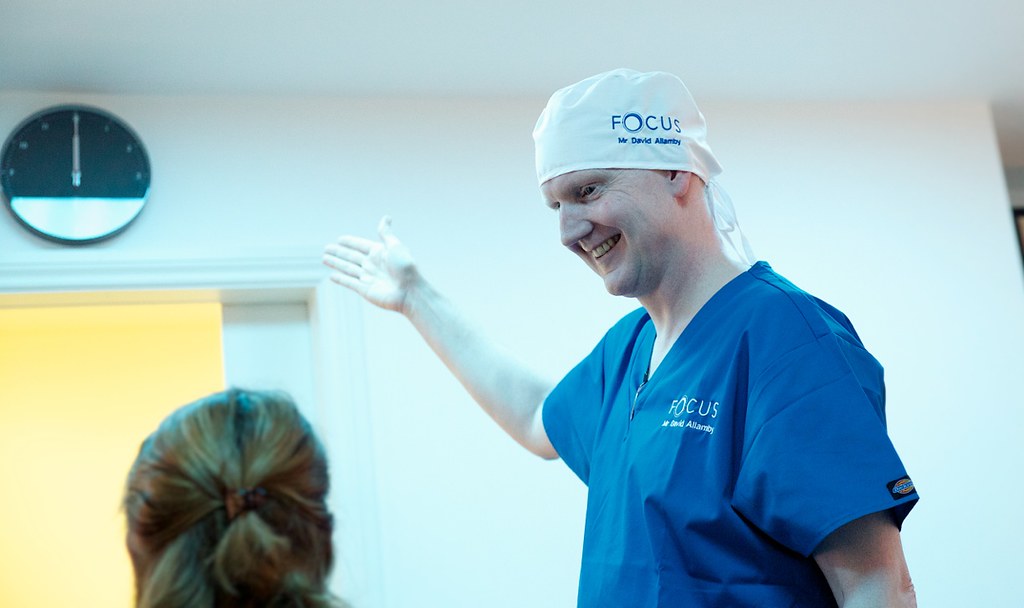
6 Reasons To Work With a LASIK Surgeon
LASIK is a well-established procedure used to correct common vision problems such as nearsightedness, farsightedness, and astigmatism. If you’re looking to get LASIK, carefully evaluate your surgeon’s experience, approach to patient care, and the technology they use. A surgeon’s expertise and the tools they rely on can significantly impact the outcome of your procedure. Here are six reasons to choose a qualified LASIK surgeon: 1. Personalized Consultation An advantage of choosing a specialized LASIK surgeon is the opportunity for a personalized consultation. During this pre-surgery meeting, your surgeon evaluates your individual vision needs and determines your suitability for LASIK. They…