-
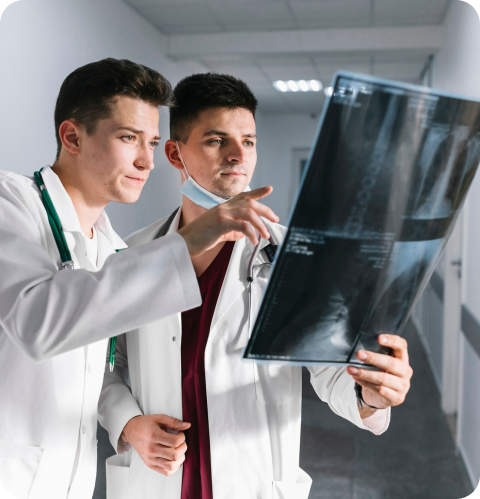
How Orthopedic Surgeons Use Imaging Techniques to Diagnose Injuries
Advancements in technology have revolutionized healthcare, and orthopedic care is no exception. Imaging tools play a role in an orthopedic surgeon’s diagnosis, offering insights that enable precise assessments and effective treatment plans. For patients seeking clarity on their orthopedic conditions, it can be helpful to explore how an orthopedic surgeon can use these tools to offer a way to understand a medical situation. What is Orthopedic Imaging? Orthopedic imaging refers to the use of advanced technologies like X-rays, MRIs, and CT scans to capture highly detailed images of bones, joints, and soft tissues. These images visually represent the structural condition,…
-
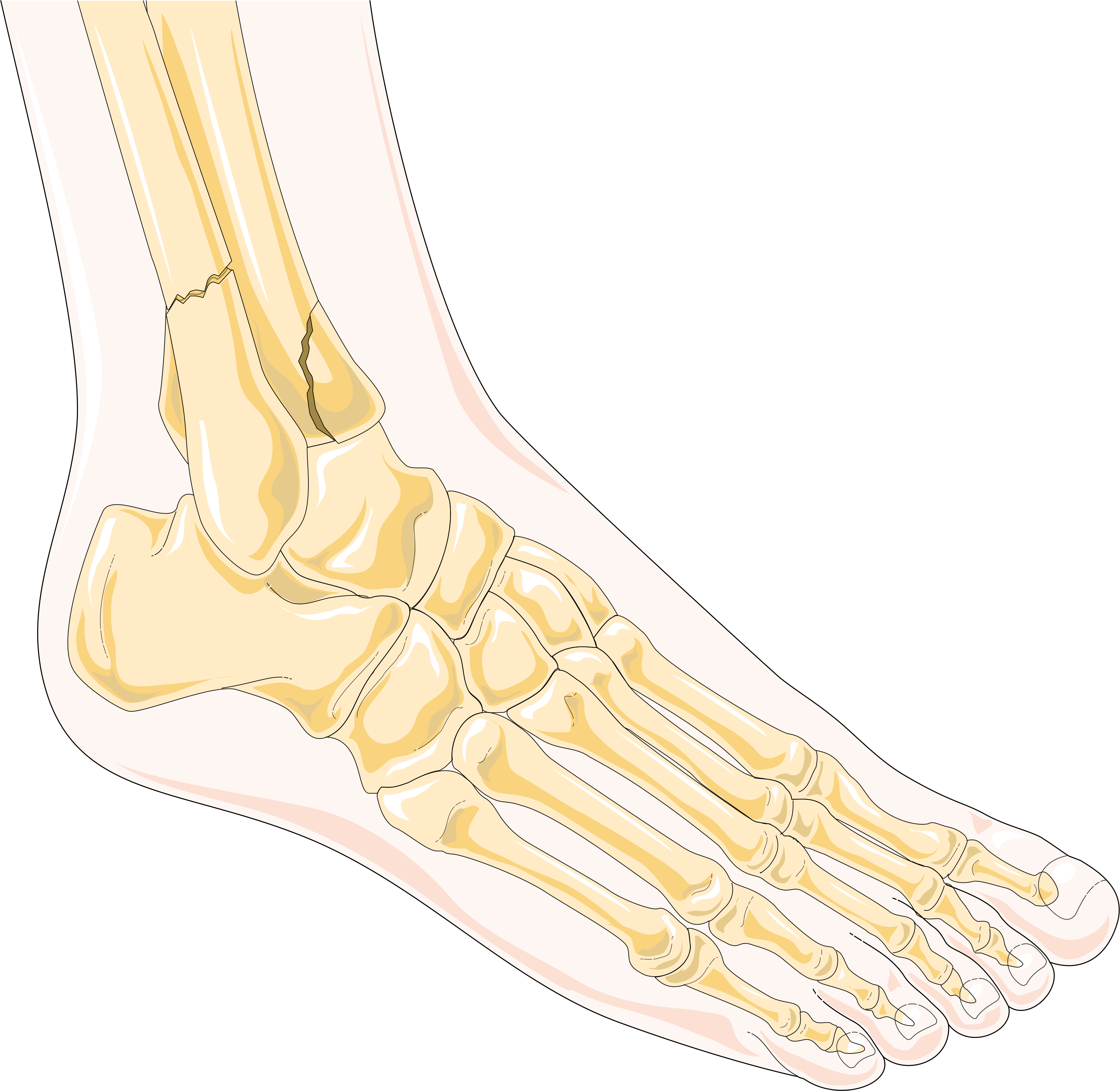
What to Expect During the Healing Process of an Ankle Fracture
An ankle fracture refers to a break in one or more of the bones that make up the ankle joint. This type of injury is common and can impact daily activities, mobility, and overall physical health. Understanding the stages of healing after an ankle fracture is beneficial for anyone managing recovery, whether the injury is minor or involves more complex damage. Here is more information on this type of fracture, the causes, symptoms, treatment methods, and what to expect during recovery: What Is an Ankle Fracture? An ankle fracture occurs when there is a break in the bones forming the…
-
Should I See a Chiropractor After a Car Accident?
Minor or severe accidents can place significant stress on the body, particularly the spine and surrounding musculoskeletal structures. Chiropractic care is a non-invasive approach that provides necessary spinal care to support accident recovery by focusing on spinal health and alignment. Exploring how chiropractic care can address spinal concerns after an accident and be integrated into your recovery process can be helpful. What is Chiropractic Care? Chiropractic care is a discipline centered around diagnosing and managing conditions affecting the spine and other parts of the musculoskeletal system. Chiropractors often focus on manual adjustments or manipulations that aim to improve spinal alignment,…
-
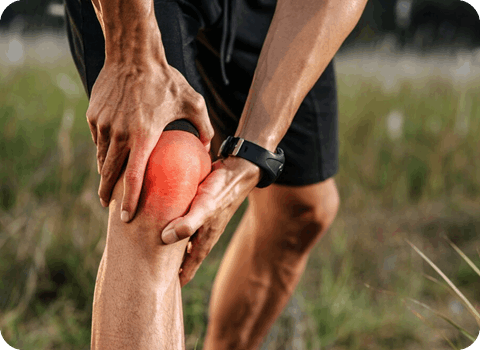
Causes of Knee Pain
Knee pain affects people of all ages and activity levels. It can make walking, climbing stairs, or daily tasks uncomfortable. The reasons for this pain vary, and understanding the source can lead to better management. Below are some of the most frequent causes of knee problems. Injuries That Happen Suddenly Sudden knee injuries often occur during sports, exercise, or accidents. Movements like quick stops or awkward landings can tear ligaments such as the ACL or MCL. A torn meniscus is also common and usually happens when the knee twists under pressure. These injuries often bring immediate pain and may limit…
-
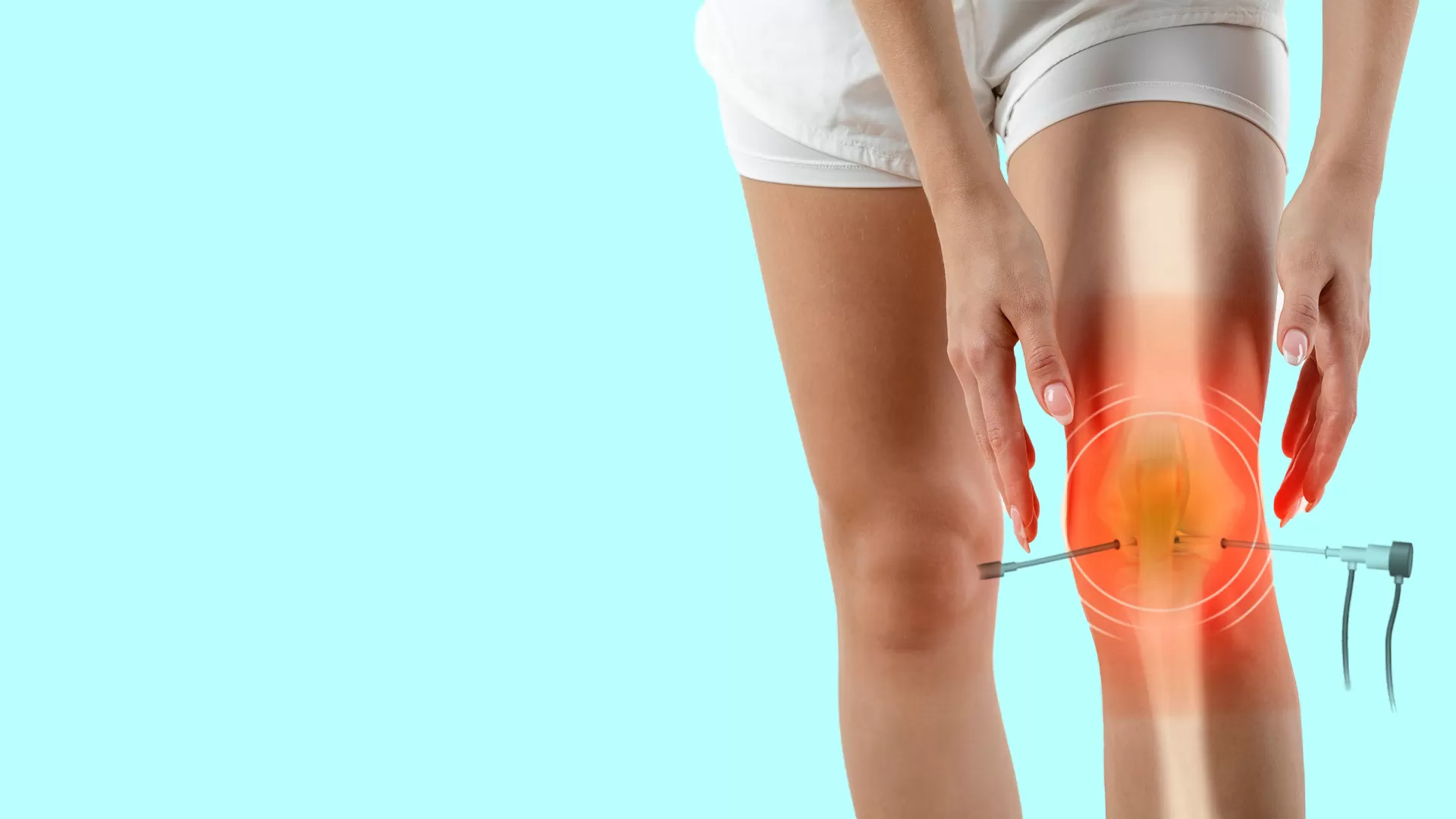
What Can I Do About My Knee Pain?
Knee pain can impact everyday life, making moving and enjoying your favorite activities hard. While medical interventions play a role, you have several non-medical strategies. By combining lifestyle adjustments with direction from orthopedic specialists, you can effectively manage knee pain and enhance your quality of life. These approaches can offer relief, help improve flexibility, and support overall knee health: Rest, Ice, Compression, Elevation The R.I.C.E. (rest, ice, compression, elevation) method remains a practical choice for easing knee pain. It reduces swelling, minimizes pain, and promotes healing in the affected area. Each step complements the other to provide a simple yet effective…
-

Coping with Spinal Stenosis: Tips for Daily Living
Spinal stenosis affects the spaces within the spine, creating pressure on nearby nerves. Though the condition develops gradually, it eventually impacts movement, posture, and quality of life. Living with spinal stenosis requires adjustments to daily habits, but thoughtful changes can reduce discomfort and support greater mobility. Some people notice stiffness in the lower back or neck. Others experience numbness, tingling, or weakness in the legs or arms. Over time, even simple tasks such as walking, standing, or reaching may require extra effort. Recognizing the role that posture, routine, and body mechanics play in managing these symptoms helps preserve independence. Adjusting…
-
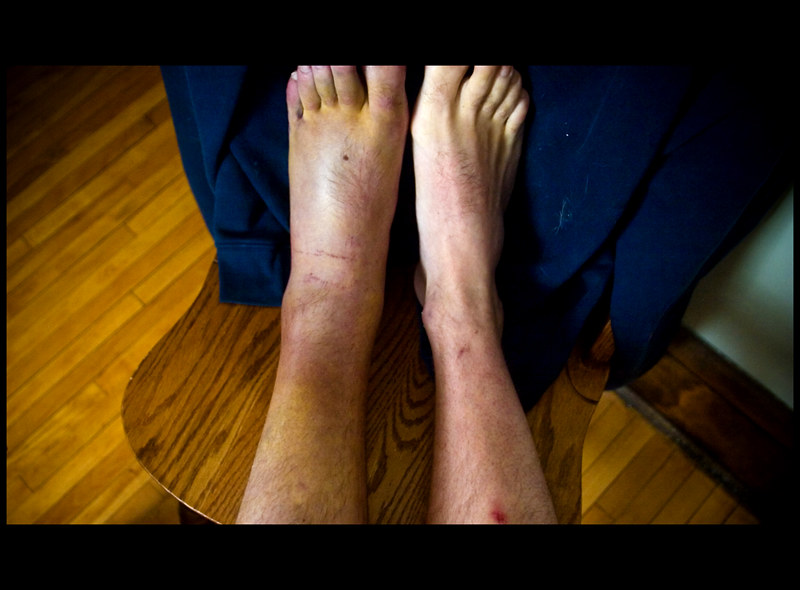
What You Should Know About Ankle Injury Recovery
An ankle injury can significantly impact your mobility and quality of life. Whether you’ve undergone ankle replacement, tendon and ligament repair, or bone and joint surgery, understanding the recovery process is key to regaining strength and function. Here are some practical steps to help you on the road to recovery after ankle surgery. Following Post-Surgery Instructions Following the discharge instructions for your ankle injury is key to recovery. Take medications as prescribed to manage pain and prevent infection. Avoid putting weight on the injured ankle until your doctor approves. Use ice and elevate the ankle as directed to reduce swelling and…
-

The Best Home Treatments for Ankle Sprains
An ankle sprain occurs when one or more ligaments in the ankle stretch beyond their normal range or tear. This usually happens during activities that involve sudden direction changes, jumping, or landing awkwardly. Sprains range from mild overstretching to complete ligament tears, with symptoms such as swelling, bruising, pain, and difficulty walking. Once the injury occurs, the body reacts quickly with inflammation and fluid buildup around the joint. Swelling is often visible within minutes. Bruising may appear soon after or the next day. Pain is usually sharp at first, especially when trying to stand or walk. In some cases, the…