-

How OBGYNs Help Women Manage Birth Control Options
Birth control is a key aspect of reproductive health and managing family planning. Women have access to various options, each with unique benefits and risks. From long-term methods to daily-use contraceptives, choosing the right method depends on individual health needs, lifestyle, and preferences. An OBGYN provides helpful guidance to women in navigating these choices. Exploring Birth Control Types Below are six commonly used birth control methods and their key features. 1. Intrauterine Devices (IUDs) IUDs are long-lasting and reversible contraceptives inserted into the uterus by a healthcare professional. They are highly effective and require little maintenance once in place. Insertion…
-
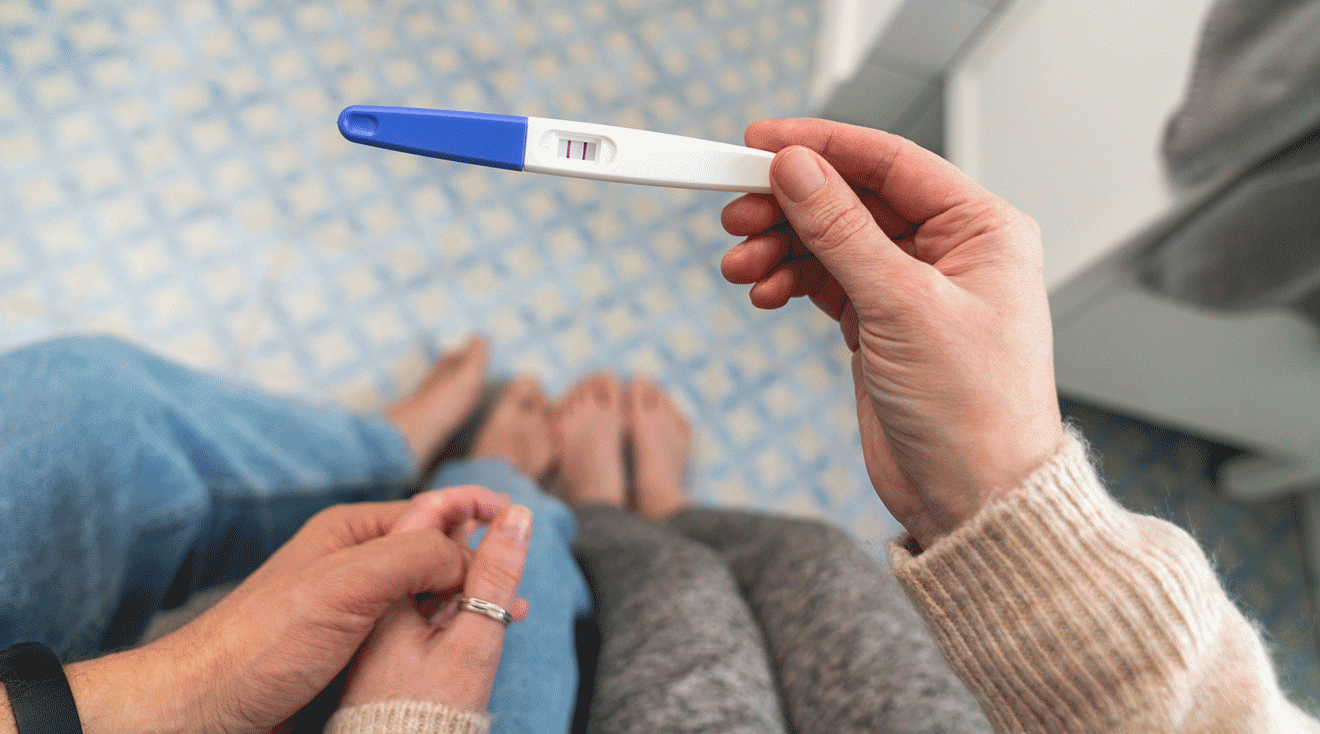
What to Expect When Taking a Pregnancy Test
Deciding to take a pregnancy test often marks a significant moment in a person’s life. Whether planned or unexpected, this step typically comes after noticing physical changes or calculating a missed period. Most pregnancy tests work by detecting the presence of human chorionic gonadotropin (hCG), a hormone produced by the placenta shortly after a fertilized egg attaches to the uterine lining. This hormone builds up quickly in the body, which is why tests can often provide accurate results within a few days of a missed period. Although the science behind testing is straightforward, the emotional and logistical aspects can feel…
-

How Gynecologic Services Can Help Manage Menstrual Health
Managing menstrual health is a key component of overall well-being, requiring access to tailored medical care and resources. Gynecologic services play an integral role in addressing a wide range of menstrual health concerns, from irregular cycles to chronic conditions such as endometriosis or polycystic ovary syndrome (PCOS). These services offer evidence-based medical interventions, diagnostic tools, and preventive care, enabling individuals to maintain optimal reproductive health throughout various life stages. Here is more information on how gynecologic services contribute to effective menstrual health management through comprehensive care and patient-centered approaches: Diagnosing Menstrual Challenges Gynecologic services specialize in evaluating and diagnosing a…
-
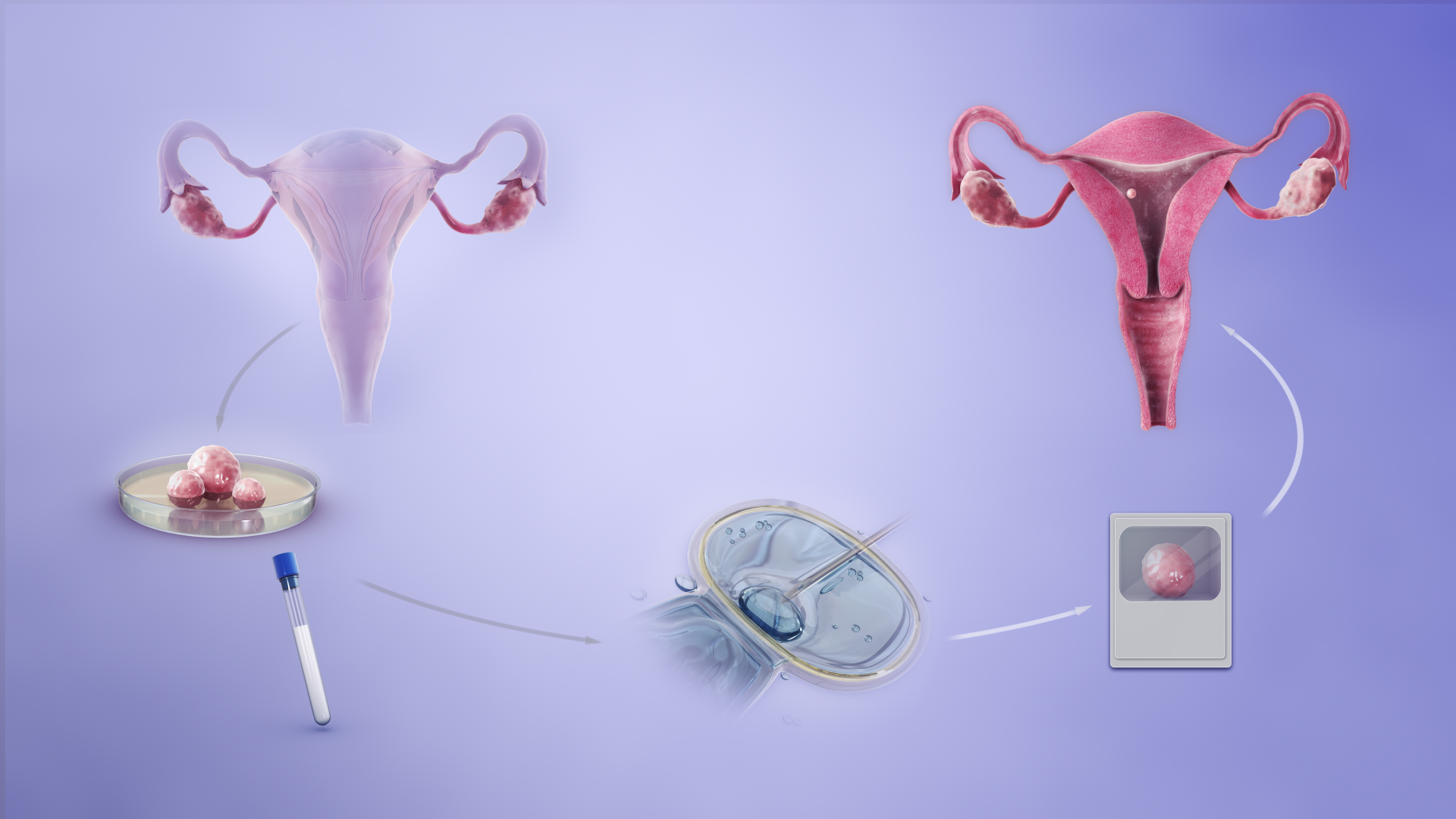
What Happens After a Positive IVF Test?
A positive in vitro fertilization (IVF) test is an exciting milestone, marking the beginning of a new phase in your fertility treatment. This phase involves the necessary steps to support the health and well-being of both you and your developing pregnancy. Here, you can explore the stages after a positive IVF result, and some tips on what to expect and how to move forward. Schedule the First Ultrasound After a positive test, the first step is to schedule an ultrasound, usually performed around six to eight weeks of pregnancy. This ultrasound confirms the pregnancy’s location within the uterus, monitors the…
-

3 Questions To Ask Your Doctor About Hormone Replacement Therapy
Hormone imbalances can have a profound impact on your overall health. For individuals experiencing these imbalances, understanding how the body’s endocrine system works and exploring the benefits of hormone replacement therapy (HRT) can be life-changing. To make the most of your conversation with your doctor, it’s key to ask questions and gather a clear understanding of HRT. Here’s more information on the endocrine system’s role in health and key questions you can discuss with your healthcare provider: How the Endocrine System Impacts Your Health The endocrine system is a fundamental network in the body, responsible for regulating numerous processes through…
-

Why Bioidentical Hormones Are Gaining Popularity in Women’s Health
Hormonal health plays a key role in the well-being of women, particularly as they age or go through significant transitions like menopause. Among the growing options for hormone therapy, bioidentical hormones have gained widespread attention for their unique benefits. But what exactly are they, how do they differ from traditional treatments, and why are so many women turning to them? This article explores these questions and offers guidance on consulting a specialist for your hormonal health. What Are Bioidentical Hormones and How Do They Work? Bioidentical hormones are hormones chemically identical to those naturally produced by the human body. Scientists…
-

Managing Menopause With Help From a Gynecologist
Navigating menopause is a unique experience for every woman. Many encounter a range of symptoms that may be challenging to overcome. You will be more equipped to manage this new life stage by addressing key concerns directly, with the help of a professional. Here’s how to manage menopause with the help of a gynecologist: Managing Hot Flashes and Night Sweats Hot flashes and night sweats are among the most common menopausal symptoms. A drop in estrogen often triggers these episodes, leaving you sweaty, flushed, or suddenly chilly. To help regulate your body temperature and reduce discomfort: Stay hydrated throughout the day.…
-

How a Mommy Makeover Can Improve Both Physical and Emotional Well-Being
Motherhood is a transformative and rewarding experience. It also brings significant changes to the body that can affect self-confidence and physical well-being. A Mommy Makeover is a comprehensive approach to addressing these changes, combining multiple cosmetic procedures to restore your pre-pregnancy physique. This tailored solution helps women regain a sense of control over their bodies. What is a Mommy Makeover? A mommy makeover, also called a total body makeover, refers to a combination of cosmetic surgical procedures aimed at addressing the physical changes experienced during pregnancy, childbirth, and breastfeeding. These procedures are customized to restore the body to a pre-pregnancy…
-

Fertility Lifestyle Tips for Couples Trying to Conceive
Small, mindful changes in your daily routine may help foster an environment that supports your fertility goals. Maintaining a balanced diet rich in essential nutrients and managing stress levels can positively influence fertility. Additionally, staying physically active and avoiding harmful substances like tobacco and excessive alcohol can create a healthier environment for conception. Here are several lifestyle tips to guide you on your way: Eat a Balanced Diet and Stay Active Nourishing your body with a variety of foods helps support reproductive health. Focus on meals rich in whole grains, lean proteins, healthy fats, fruits, and vegetables. Drinking enough water…