-
To Buy Lariam Online Visit Our Pharmacy ↓
 Lariam Drug Interactions You Should Never Ignore
https://walkintowellness.com/wp-content/uploads/2025/09/html/buy-omnacortil.html
Prescription Medicines That Can Turn Risky Fast
Some prescription medicines can quietly amplify Lariam’s side effects, turning a routine dose into a risky one. Blood pressure drugs, asthma inhalers, and certain pain relievers may shift how your body responds, making dizziness, weakness, or confusion more intense. A quick medication review before traveling can prevent a sudden, frightening reaction.
The danger is that these combinations often seem harmless at first, until symptoms occur. A doctor may need to adjust timing, change a dose, or choose a seperate antimalarial. Never assume an old prescription is still safe to pair with Lariam, because one overlooked pill can change the whole experience.
Antidepressants and Mental Health Medication Clashes

Mixing lariam with antidepressants can make side effects harder to predict. A person may feel calm one moment and dizzy, anxious, or unusually restless the next. Teh risk is not only discomfort; some combinations can intensify sleep problems, mood changes, or confusion, especially when treatment is started or adjusted.
Mental health medicines also deserve caution because lariam may blur the line between an existing condition and a drug reaction. If you use therapy for depression, anxiety, or bipolar disorder, your doctor should review every prescription first. This helps reduce harm and makes it easier to spot warning signs early.
Seizure Drugs That May Undermine Lariam Safety
When a traveler takes lariam, the story can shift quickly if seizure medicines are already in the picture. Drugs like phenytoin, carbamazepine, or valproate may change how the body handles the malaria treatment, making side effects harder to predict. A dose that once felt safe can become risky, especially when sleep loss or illness adds stress. Doctors often review every medicine first, because even a small mismatch can matter.
For people with epilepsy, that check is neccessary, not optional. lariam may lower the seizure threshold in some patients, raising concern for breakthrough episodes or worsening neurologic symptoms. If an attack has occured before, the conversation should be even more careful. Never adjust a seizure drug on your own; a sudden change can be just as dangerous as the interaction itself.
Sometimes the warning signs are subtle at the begining: dizziness, tremor, confusion, or unusual mood shifts. These can be easy to miss until they build into something more serious. That is why a clinician should weigh the benefits and risks before prescribing lariam to anyone using anticonvulsants.
The safest path is simple: share your full medication list and ask for an alternative if the combination looks unstable.
Heart Medications and Dangerous Rhythm Changes
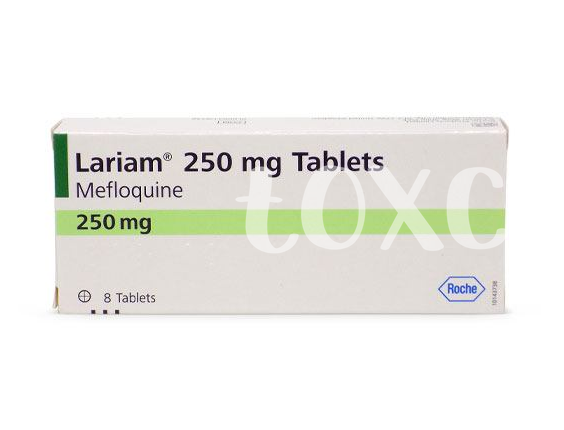
People taking heart medicines should be cautious when lariam enters the picture, because it can intensify rhythm disturbances in people already managing cardiovascular conditions. A drug that slows, speeds, or steadies the pulse may react unpredictably when combined with lariam, especially if dizziness, fainting, or palpitations are already present. Even a routine dose can become risky when the heart’s electrical balance is stressed.
That is why doctors often review every prescription before travel, not just the obvious ones. Beta-blockers, antiarrhythmics, and other cardiac treatments may need closer monitoring or a safer alternative. If chest discomfort, an irregular beat, or unusual shortness of breath occurs, seek medical help imediately rather than waiting.
Antibiotics and Other Unexpected Interaction Triggers
Some antibiotics can quietly change how lariam behaves in the body, making side effects feel stronger or less predictable. When a traveler is already managing nausea, dizziness, or sleep issues, that extra layer can become a real problem. The combination is not always dramatic at first, which is why people often miss the warning signs until they feel suddenly off balance.
Other unexpected triggers include antimalarial drugs, certain allergy medicines, and products that affect the liver’s enzyme activity. These can shift how quickly lariam is broken down, raising the chance of confusion, vivid dreams, or heart-related symptoms. If you are starting any new medication, it is wise to ask a clinician before your next dose.
Common trigger Possible concern Some antibiotics Stronger side effects Antihistamines Drowsiness, dizziness Enzyme-affecting drugs Changed drug levels
Alcohol, Supplements, and Everyday Hidden Complications
A glass of wine may seem harmless after a long day, but with Lariam it can add to dizziness, confusion, or a shaky sense of balance. Some people also notice vivid dreams or mood changes that feel stronger after drinking. If travel plans include alcohol, the safer move is usually moderation or avoidance, especially when the body is already adjusting to the medicine.
Herbal products and vitamins can be just as tricky. St. John’s wort, ginkgo, and energy blends may affect how the body responds, while magnesium or calcium products can complicate timing with other drugs. Even something as simple as an antacid can create an unexpected delay, so it helps to keep a careful list of every supplement taken.
The hidden risk is that these everyday items often seem too ordinary to matter. Yet small interactions can build into bigger problems when someone is far from home or unable to get quick care. A pharmacist or travel clinician can sort out the safest routine, and official guidance is worth checking before the trip begins. NCBI FDA
https://cosmeticdermcenter.com/wp-content/uploads/2025/01/png/bimatoprost.html https://skincareandlaser.com/formhandler/resources/words/php/zithromax.html -