-
To Buy Zyprexa Online Visit Our Pharmacy ↓
 Zyprexa Interactions with Other Medications
https://physiciansalliance.com/wp-content/uploads/2025/07/png/order-keflex.html
How Zyprexa Changes When Mixed with Other Drugs
Zyprexa can act differently when another medicine enters the picture, because its calming and metabolic effects may add up or shift in unexpected ways. A patient might feel more drowsy, slower, or more lightheaded than usual, especially if another drug also affects the brain or blood pressure. In some cases, the body may process Zyprexa differently, changing how strongly it works.
This is why mixed prescriptions deserve careful attention. Even a routine change, like starting a new pain reliever or sleep aid, can make side effects more noticeable. The result may be a quiet drift from stable treatment into fatigue, confusion, or a drop in alertness that is easy to overlook at first.
Medicine added Possible effect Another sedative More sleepiness Blood pressure drug Greater dizziness Some antidepressants Stronger side effects
Dangerous Medication Combinations You Should Never Ignore
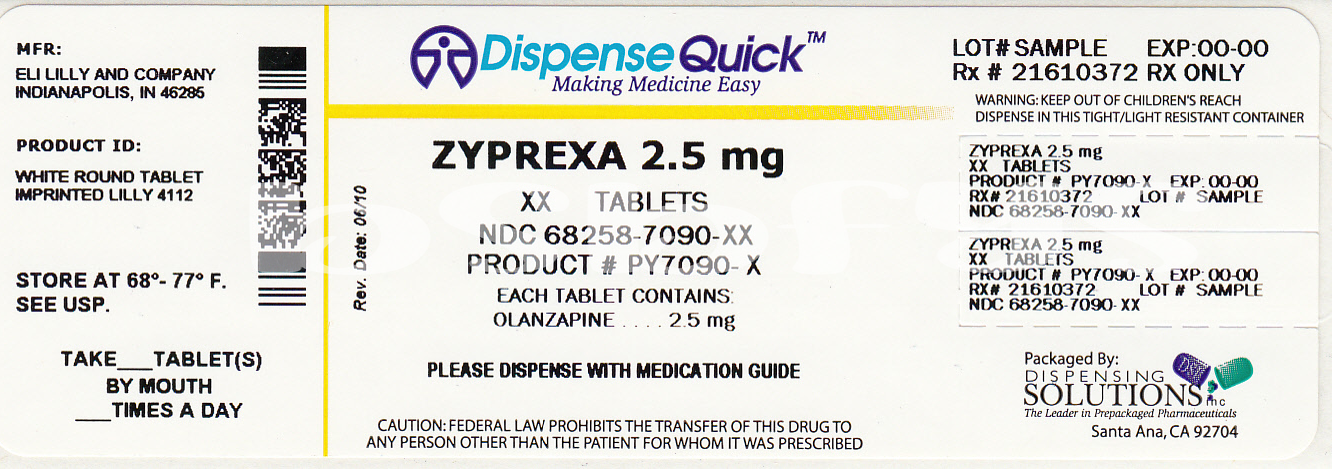
Mixing zyprexa with certain medications can turn a stable routine into a risky one fast. Sedatives, opioids, and some sleep aids may deepen drowsiness and slow breathing, making everyday tasks feel heavier than they should.
Blood pressure drugs and other antipsychotics can also amplify dizziness, fainting, or confusion, especially when doses change suddenly. In some cases, the body may react strongly enough to make walking, thinking, or focusing feel off.
That is why any new prescription should be reviewed carefully. A brief check with a pharmacist or prescriber can prevent a dangerous overlap before it starts, and may save you from a scary surprise.
Common Prescriptions That May Intensify Side Effects
Several common prescriptions can quietly intensify zyprexa’s side effects, turning a routine day into one marked by drowsiness, dizziness, or slower thinking. Doctors often watch closely when it’s paired with antidepressants, blood pressure medicines, or strong pain relievers.
Sedatives and sleep aids may deepen the calming effect, while some anticholinergic drugs can add confusion or dry mouth. In older adults, the mix may be even more noticeable, so careful dose adjustments are often needed.
Heart rhythm medicines and certain antibiotics may also raise concern, because they can make side effects harder to predict. A patient might first notice fatigue or unsteadiness, then realize the combination is too strong.
That is why medication lists matter. A quick review with a pharmacist or prescriber can help spot problems early and keep treatment on track, before small effects become a bigger issue.
Over-the-counter Products That Can Disrupt Treatment

Teh pharmacy aisle can look harmless, yet some cold remedies and sleep aids can quietly change how zyprexa feels in the body. Antihistamines, decongestants, and extra melatonin may add drowsiness, confusion, or a racing pulse.
Even simple pain relievers can matter when they are mixed with other products. A hidden ingredient in multi-symptom formulas may leave you groggy, dizzy, or less alert.
Reading labels is the easiest safeguard. If a product promises daytime energy or a fast sleep fix, it may work against treatment goals and make side effects harder to predict.
Before buying anything new, ask a pharmacist or prescriber, especially if symptoms shift after an OTC choice. Clear guidance keeps treatment steadier and safer.
Alcohol, Supplements, and Hidden Interaction Risks
A glass of wine may seem harmless, but with zyprexa it can magnify drowsiness, dizziness, and poor coordination fast. Even small amounts may cloud judgment, making everyday tasks riskier than they appear. Hidden in some herbal teas and sleep aids, calming ingredients can quietly push effects further, leaving you more sedated than expected and less alert throughout the day.
That’s why reading labels matters. Ingredients like valerian, kava, or melatonin may interact in subtle ways, and the real impact may not be apparent until you feel unusually slow, confused, or unsteady. When in doubt, ask your pharmacist before combining anything with zyprexa. Small choices now can prevent a much bigger problem later.
Potential hidden risk Possible effect Alcohol More drowsiness, slower reaction time Herbal sleep aids Extra sedation, grogginess
How to Spot Warning Signs and Respond Safely
When new symptoms appear after a dose change, notice them early: heavy sleepiness, shakiness, confusion, fast heartbeat, or trouble standing can signal a risky interaction. Teh safest move is to pause any extra medicine and call your prescriber or pharmacist right away. If breathing slows, fever rises, or you faint, seek emergency help immediately; quick action can prevent a small problem from becoming severe.
Keep a simple medication list, including OTC products and supplements, so you can spot what changed. A sudden reaction may come from an added cold remedy, pain reliever, or alcohol. Before taking the next dose, check labels and ask whether the combination is safe. Trusted references like MedlinePlus and NHS can help you verify important risks.
If you feel “off,” don’t guess—describe the timing, symptoms, and all recent medicines to a clinician. That detail helps them separate a minor side effect from a serious drug clash and adjust treatment quickly. Until you get advice, avoid driving, alcohol, and any nonessential doses. A calm, organized response makes it easier to stay safe and keep treatment on track.
https://nsstulsa.com/mt-content/uploads/2023/09/jpg/valtrex.html https://medilaw.com/wp-content/uploads/2019/05/png/symbicort.html -