
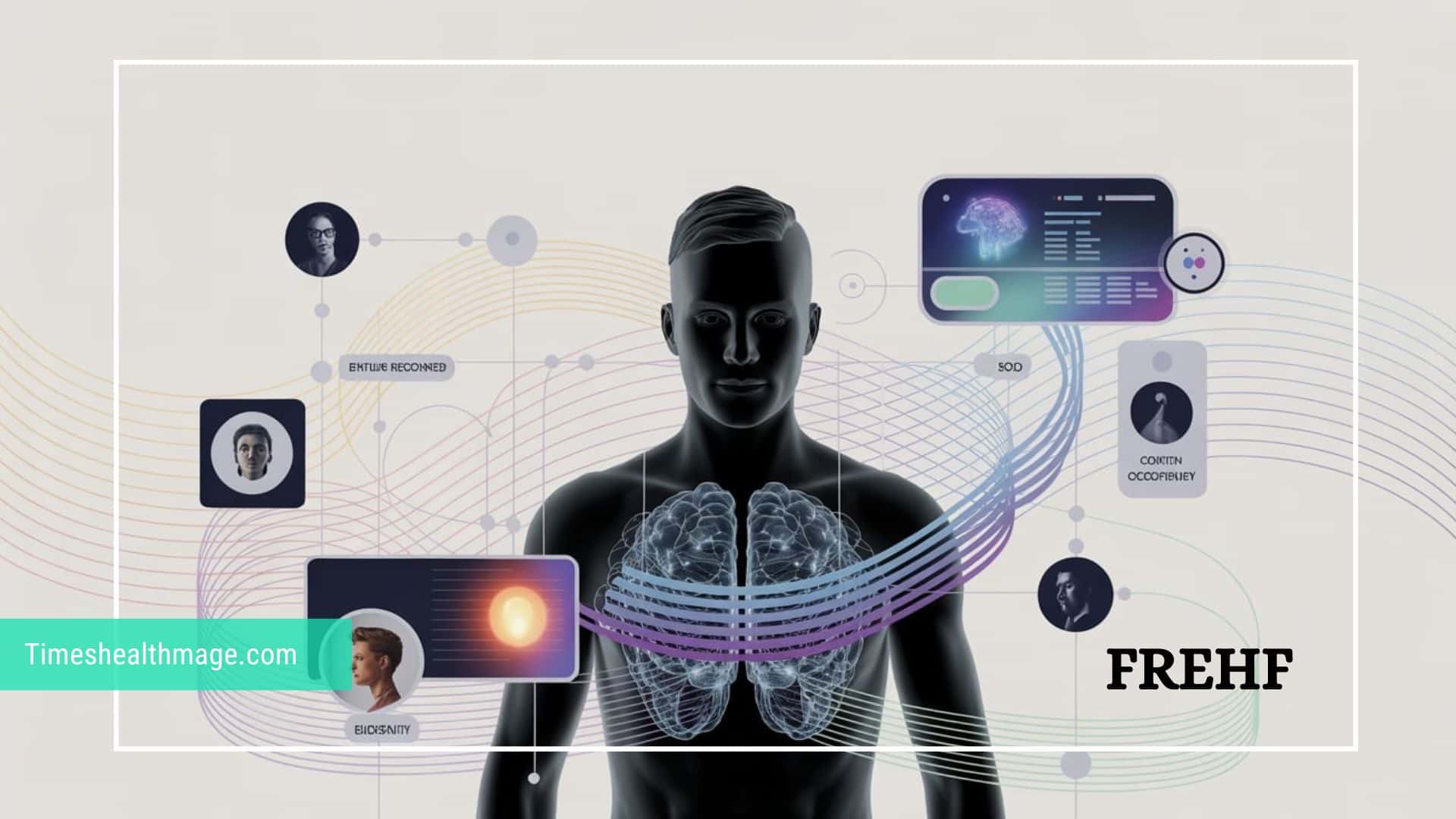
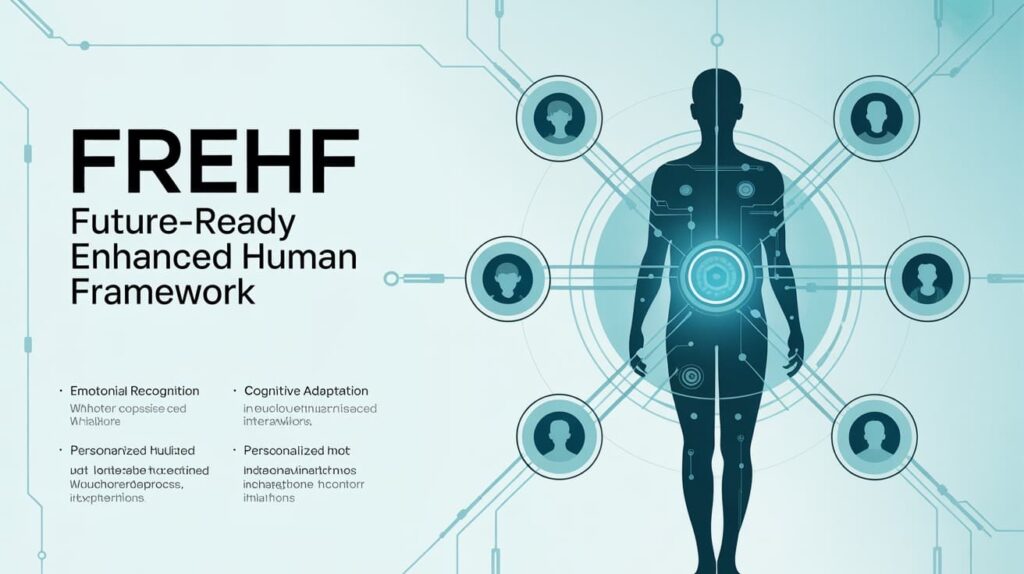
As technology continues to advance, the way digital systems interact with us is changing. Unlike traditional systems that require users to adjust to them, FREHF (Future-Ready Enhanced Human Framework) creates technology that adjusts to us. It’s designed to understand our emotions, thoughts, and context in real time.
This makes interactions more intuitive and personalized. Stay tuned with us, we’ll explore what FREHF is, how it works, and the ways it’s improving human-computer interactions. FREHF is helping create technology that is smarter, more empathetic, and built with humans in mind.
What Is FREHF?
FREHF stands for Future-Ready Enhanced Human Framework. It is a revolutionary system design that allows digital technology to respond dynamically to human emotions, cognitive states, and environmental context. Unlike traditional interfaces that rigidly follow set instructions, FREHF integrates real-time emotion and cognitive data to enhance user experience, making technology feel more like a supportive partner than a machine.
The primary goal of FREHF is to create systems that not only understand human emotions and behavior but also adapt to them, creating personalized, empathetic interactions. With growing reliance on digital ecosystems for work, learning, health, and entertainment, FREHF is a timely solution to address the emotional gaps that current systems often overlook.
The Origins Of FREHF – A Shift In Design Philosophy!
FREHF emerged from the intersection of cognitive science, neurotechnology, and artificial intelligence (AI) research in the early 2020s. Unlike earlier models of human-computer interaction (HCI), which were based on fixed logic and user profiles, FREHF utilizes real-time emotional and cognitive feedback to shape interactions. The aim was to break away from rigid, one-size-fits-all systems and design more flexible, human-centered technology.
The framework is grounded in research on adaptive learning, mental wellness, and human behavior, drawing inspiration from the growing need for technology that doesn’t just automate tasks but understands users at a deeper, emotional level. As it gained traction in experimental settings such as adaptive learning platforms and healthcare environments, FREHF began to shape the way industries viewed user experience and digital empathy.
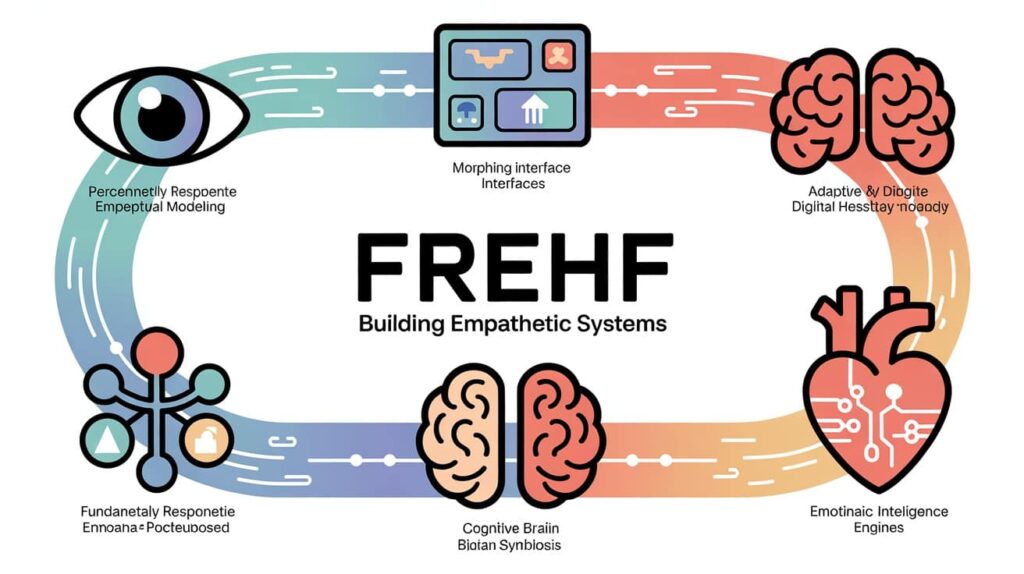
Core Components Of FREHF – Building Empathetic Systems!
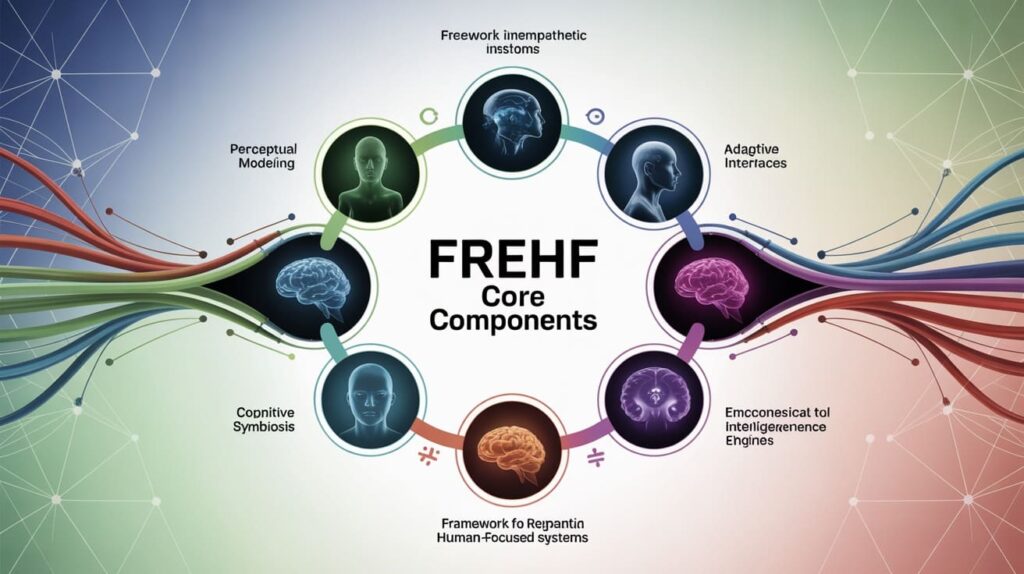
FREHF is based on five core components that make it fundamentally different from traditional AI and HCI systems. These components work together to create an ecosystem where technology understands and adapts to human emotional and cognitive states.
Perceptual Modeling:
The perceptual modeling component of FREHF allows systems to observe and interpret human behavior through non-verbal cues such as voice tone, facial expressions, body language, and even micro-gestures. This creates a sensory framework that can detect emotional shifts and cognitive states. For instance, if a user’s voice becomes strained or their facial expression reflects frustration, the system recognizes these signals and adapts accordingly—be it through simplifying tasks or offering calming suggestions.
Adaptive Interfaces:
FREHF’s adaptive interfaces are designed to change based on the user’s emotional and cognitive state. If a user is feeling overwhelmed or distracted, the system might reduce visual clutter or slow down the flow of information. Conversely, when the user is highly engaged, the interface may reveal more complex options or data layers. This real-time adaptability makes the system feel more like a partner, adjusting to the user’s needs rather than forcing the user to adjust to the system.
Cognitive Symbiosis:
Cognitive symbiosis is a key concept in FREHF, where the system works in tandem with the user’s cognitive processes. This means the system does not replace human thinking but acts as an extension of it, helping to highlight important information, suggest patterns, and guide decisions without interrupting the user’s focus. The goal is to enhance human thinking and support decision-making through subtle, symbiotic interaction.
Emotional Intelligence Engines:
One of the standout features of FREHF is its ability to detect and respond to emotions. Through voice inflection, typing speed, and facial expressions, the system can gauge a user’s emotional state—whether they are excited, frustrated, or disengaged. These emotional intelligence engines enable the system to adjust its responses accordingly, creating a more compassionate and personalized experience.
Feedback Enrichment:
The final component, feedback enrichment, involves a layered approach to feedback, utilizing multiple signals such as eye tracking, posture, reaction time, and voice tone. By continuously learning from these signals, the system builds a long-term understanding of user behavior and preferences. Over time, this allows for even more personalized interactions, as the system becomes better at anticipating the user’s needs and responding appropriately.
The FREHF System Architecture – A Unified Approach!
FREHF’s architecture integrates hardware, software, and data science in a cohesive design. Here’s a breakdown of its key components:
| Component | Function | Technologies Used |
|---|---|---|
| Sensory Input | Captures behavior and biometrics | EEG, voice sensors, motion tracking |
| Perception Analyzer | Decodes emotional and cognitive data | NLP, sentiment analysis, computer vision |
| Interface Layer | Adapts UI elements based on user state | ML-driven UI, behavior-aware design |
| Knowledge Core | Stores contextual understanding | Neural networks, pattern databases |
| Output Engine | Provides feedback and guidance | AR overlays, notifications, haptics |
This unified architecture allows the system to continuously learn and adapt to the user, creating an environment that is more intuitive, responsive, and supportive.
Why FREHF Is Critical Now? – Addressing Modern Challenges!
In today’s fast-paced, technology-driven world, people are spending more time interacting with digital systems than ever before. Unfortunately, this often leads to burnout, stress, and emotional disconnection. Traditional digital systems do not account for how users feel, which can result in disengagement or frustration.
FREHF is urgently needed as it addresses these emotional gaps. By using real-time feedback to adapt to user emotions and cognitive states, it helps reduce digital fatigue and enhances user engagement. This is particularly important in remote work, virtual learning, digital health, and smart living, where the user experience must be more personalized and empathetic to ensure success and well-being.
Real-World Applications Of FREHF – Need To Know!
FREHF In Healthcare:
FREHF has immense potential in digital healthcare. In telemedicine, for example, it allows doctors to detect emotional and mental health issues that might be overlooked in traditional consultations. By analyzing a patient’s tone, body language, and response patterns, healthcare systems powered by FREHF can provide more compassionate care, adjust diagnostic approaches, and even detect stress or anxiety early in the consultation process.
FREHF In Education:
In education, FREHF can revolutionize learning environments. By recognizing signs of frustration or disengagement in students, the system can automatically adapt instructional methods—whether through offering simpler explanations, slowing down the pace, or presenting content in different formats. This type of personalized learning is especially beneficial for students with learning disabilities or attention-related challenges.
FREHF in Remote Work:
With remote work becoming the norm, FREHF systems can monitor and improve virtual work environments. By detecting when a worker is stressed, overwhelmed, or losing focus, the system can offer suggestions for breaks, simplify tasks, or recommend helpful resources. This approach not only increases productivity but also supports better mental health and well-being in digital workplaces.
FREHF in Gaming and Entertainment:
Gaming is another sector where FREHF can enhance user experience. By monitoring players’ emotional responses, FREHF can adjust game difficulty, offer hints, or create more engaging storylines. This adaptability makes the gaming experience more immersive, keeping players emotionally engaged and satisfied.
Ethical Considerations And Challenges In FREHF –
Looking forward, the potential of FREHF is boundless. As the technology evolves, we can expect to see more emotionally intelligent systems in our daily lives—from smart cities that adapt to our emotional states to robots that detect loneliness and offer companionship. The human-centered approach of FREHF will continue to shape the future of AI, making technology more empathetic, supportive, and tailored to human needs.
With this shift, everyday interactions with digital systems will feel more natural, intuitive, and aligned with how we think and feel. In the future, FREHF could even help address global challenges like mental health and social isolation. As technology becomes more integrated into our lives, FREHF ensures that it will always serve humanity’s best interests.
The Future Of FREHF – What’s Next?
Looking forward, the potential of FREHF is boundless. As the technology evolves, we can expect to see more emotionally intelligent systems in our daily lives—from smart cities that adapt to our emotional states to robots that detect loneliness and offer companionship. The human-centered approach of FREHF will continue to shape the future of AI, making technology more empathetic, supportive, and tailored to human needs.
With this shift, everyday interactions with digital systems will feel more natural, intuitive, and aligned with how we think and feel. In the future, FREHF could even help address global challenges like mental health and social isolation. As technology becomes more integrated into our lives, FREHF ensures that it will always serve humanity’s best interests.
FAQs:
Is FREHF safe for privacy?
Yes, if implemented correctly. FREHF uses secure data encryption and requires user consent to collect emotional and cognitive data. This ensures privacy while creating more personalized, human-centered digital experiences.
How does FREHF handle emotional data?
FREHF collects and analyzes emotional data like tone of voice, facial expressions, and body language. This data is used to adjust the digital experience, making it more empathetic and responsive to the user’s state.
How does FREHF work in healthcare?
In healthcare, FREHF systems can detect signs of emotional distress or confusion in patients. This allows healthcare providers to offer better support, whether through telemedicine or virtual assistants, making healthcare more empathetic and efficient.
What is cognitive symbiosis in FREHF?
Cognitive symbiosis is a key component of FREHF. It means that the system works in harmony with the user’s brain, anticipating their needs and helping them make better decisions without taking over the process.
What are the ethical considerations of FREHF?
FREHF raises ethical questions about privacy, consent, and data use. It’s important that users give clear, informed consent, and that their data is protected through secure encryption. Ethical implementation is vital to prevent misuse of emotional and cognitive data.
Conclusion:
The Future-Ready Enhanced Human Framework represents a monumental shift in how digital systems interact with users. By integrating emotional intelligence, cognitive modeling, and real-time adaptation, FREHF is creating more human-centered, empathetic technology. As digital interactions become more pervasive, frameworks like FREHF will be essential for ensuring that technology supports and enhances human well-being, productivity, and engagement.
Also Read:

Leave a Reply