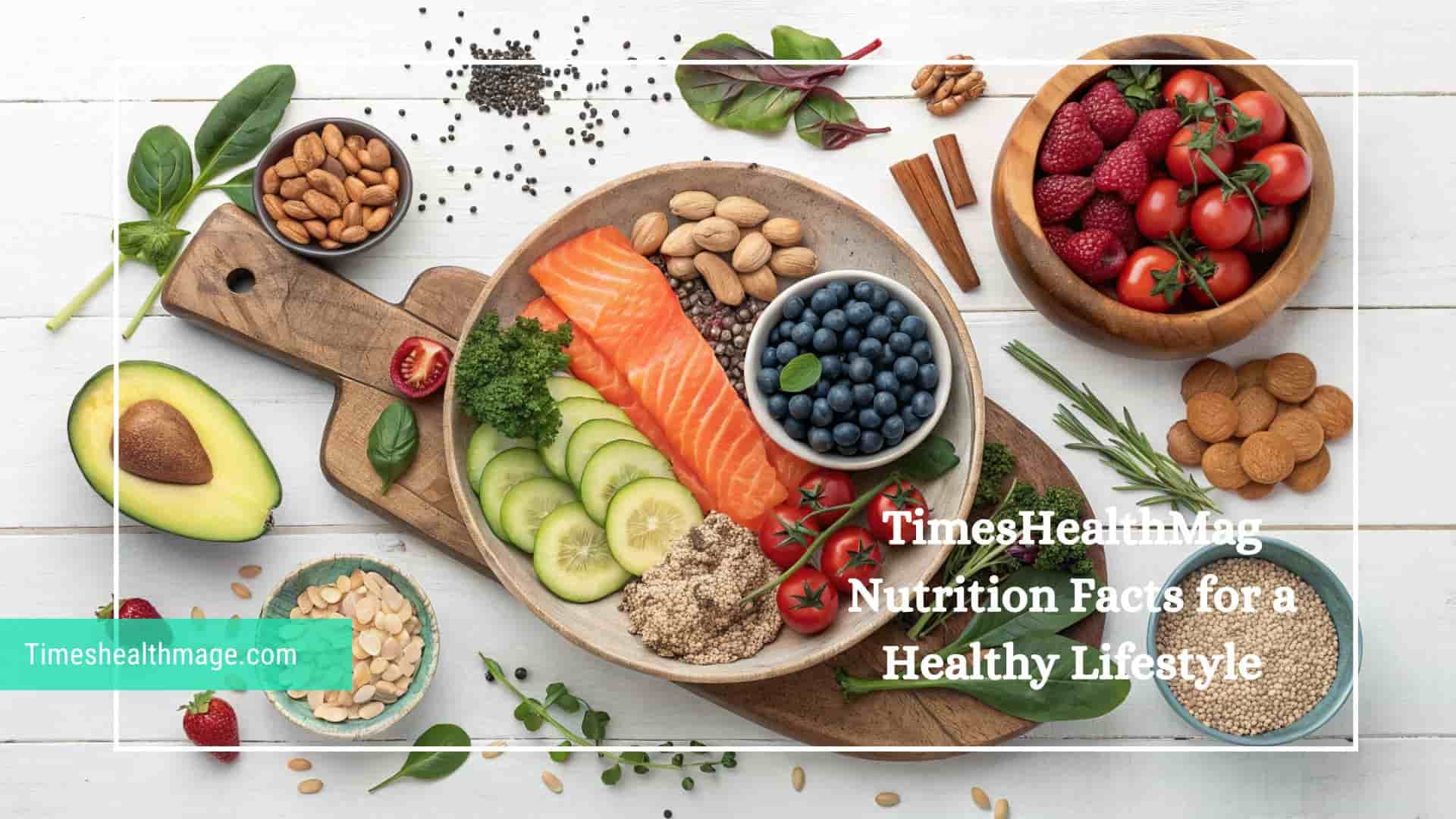
In today’s fast-paced world, maintaining a healthy lifestyle can seem overwhelming. With the flood of information about diets, weight loss, and wellness trends, it’s hard to know what truly matters. One valuable source of knowledge is TimesHealthMag nutrition facts for a healthy lifestyle, which focuses on science-backed advice on how food affects the body. The platform emphasizes balanced nutrition, proper hydration, and mindful eating to support overall health and wellness.
Stay tuned with us , we will explore the core principles of TimesHealthMag nutrition facts for a healthy lifestyle, breaking down the importance of macronutrients, micronutrients, hydration, and more. We’ll also dive into how a balanced diet can improve mental and physical health, the benefits of plant-based eating, and the role of exercise and sleep in creating a holistic wellness routine. Let’s explore how you can harness the power of food to fuel your body for a long, healthy life.
What is TimesHealthMag Nutrition?
TimesHealthMag nutrition offers evidence-based guidance designed to help individuals understand how the food they eat impacts their health. The platform takes a holistic approach to nutrition, emphasizing the importance of balanced eating, nutrient-dense foods, and sustainable living. Rather than promoting restrictive diets, TimesHealthMag focuses on food as fuel, aiming to nourish the body for optimal performance, longevity, and vitality.
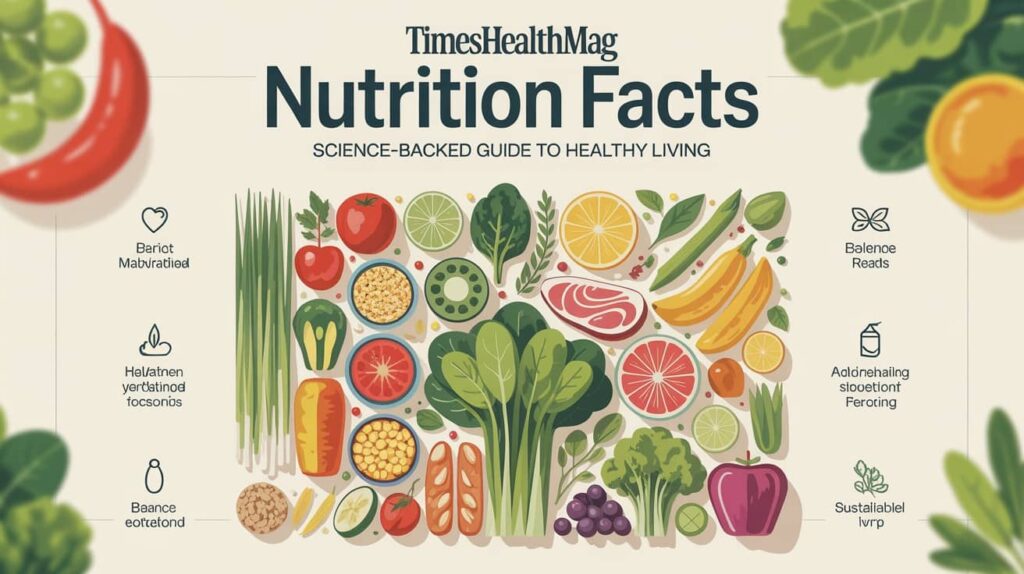
Key Principles of TimesHealthMag Nutrition:
- Balanced Eating: Incorporating all food groups, including macronutrients and micronutrients, to provide comprehensive support for bodily functions.
- Sustainability: Promoting plant-based foods that are not only beneficial for health but also support environmental sustainability.
- Hydration: Stressing the importance of proper hydration to maintain bodily functions and boost energy levels.
- Nutrient Density: Encouraging nutrient-rich foods that are high in vitamins and minerals rather than focusing on calorie counting.
The Importance Of Macronutrients – Essential Building Blocks For Health!
Macronutrients are the foundation of every diet, as they provide the energy required for daily activities and bodily functions. TimesHealthMag nutrition facts for a healthy lifestyle delves into the importance of three primary macronutrients: carbohydrates, proteins, and fats.
| Macronutrient | Role | Healthy Sources |
|---|---|---|
| Carbohydrates | Main energy source for the body, fueling cells, tissues, and organs. | Brown rice, Oats, Quinoa, Sweet potatoes, Fruits & vegetables |
| Proteins | Builds and repairs muscles, supports immune function. | Lean meats (chicken, turkey), Fish (salmon, tuna), Legumes (beans, lentils), Tofu & tempeh, Eggs & low-fat dairy |
| Fats | Vital for brain function, hormone production, and absorption of vitamins A, D, E, K. | Avocados, Olive oil, Nuts & seeds, Fatty fish (salmon, mackerel), Nut butters (peanut, almond) |
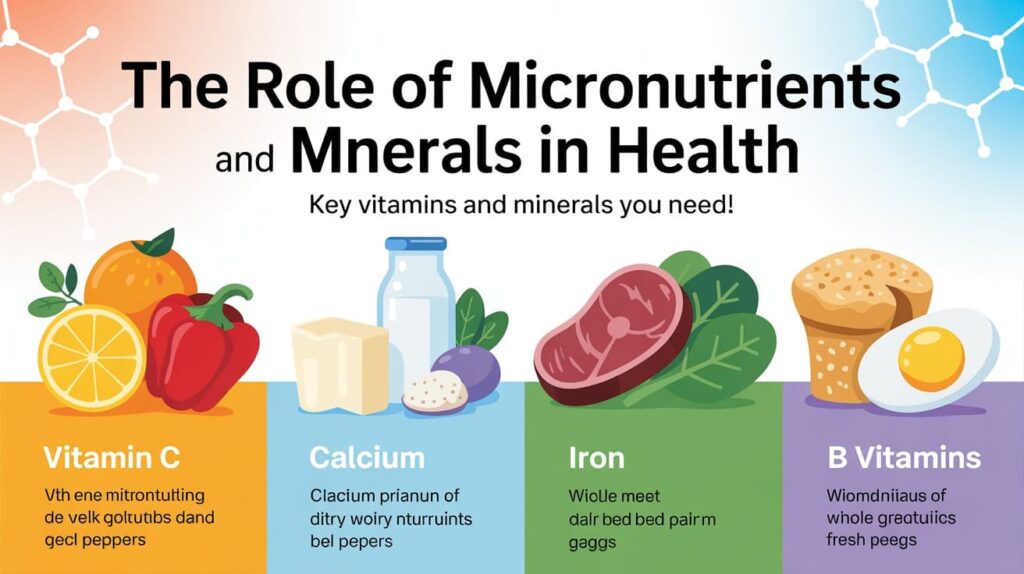
The Role Of Micronutrients In Health – Key Vitamins And Minerals You Need!
While macronutrients provide the energy needed for survival, micronutrients are essential for various bodily functions, such as immune defense, bone health, and cellular repair. TimesHealthMag nutrition facts for a healthy lifestyle emphasizes the importance of a wide range of vitamins and minerals that support bodily systems.
Vitamin C:
Vitamin C is crucial for immune function, collagen synthesis, and wound healing. It also acts as an antioxidant, protecting the body from oxidative stress. According to TimesHealthMag, including a variety of citrus fruits, berries, and vegetables like bell peppers in your diet can boost vitamin C intake.
Vitamin C-Rich Foods:
- Oranges and grapefruits
- Strawberries
- Bell peppers
- Broccoli and spinach
- Kale
Calcium:
Calcium is essential for maintaining bone density and healthy teeth. It also plays a role in muscle function and nerve signaling. TimesHealthMag encourages the consumption of dairy products, leafy greens, and fortified plant-based alternatives to ensure sufficient calcium intake.
Calcium-Rich Foods:
- Dairy products (milk, cheese, yogurt)
- Leafy greens (kale, collard greens)
- Fortified plant-based milk
- Tofu and tempeh
- Almonds
Iron:
Iron is a key component of hemoglobin, the protein responsible for transporting oxygen in the blood. TimesHealthMag highlights the importance of both heme (animal-based) and non-heme (plant-based) iron sources, particularly for individuals with higher iron needs, like women and athletes.
Iron-Rich Foods:
- Red meat (beef, lamb)
- Legumes (lentils, chickpeas)
- Spinach and kale
- Pumpkin seeds
- Fortified cereals
B Vitamins:
B vitamins play a crucial role in energy production, brain function, and red blood cell formation. TimesHealthMag stresses the importance of whole grains, eggs, and leafy greens in ensuring adequate intake of B vitamins.
B Vitamin-Rich Foods:
- Whole grains (brown rice, oats)
- Eggs and dairy products
- Leafy greens (spinach, swiss chard)
- Poultry and fish
- Legumes
Magnesium:
Magnesium is necessary for muscle function, nerve signaling, and regulating blood sugar levels. TimesHealthMag recommends including magnesium-rich foods such as leafy greens, nuts, and whole grains to support overall well-being.
Magnesium-Rich Foods:
- Leafy greens (spinach, kale)
- Nuts and seeds (almonds, pumpkin seeds)
- Legumes (black beans, lentils)
- Whole grains (brown rice, quinoa)
- Bananas
Hydration:
Hydration is a cornerstone of overall health and wellness. TimesHealthMag recommends drinking at least 8 glasses (64 ounces) of water daily to support bodily functions, cognitive performance, and digestion.
Water supports:
- Digestion and nutrient absorption
- Detoxification and waste removal
- Skin health
- Brain function and cognitive clarity
- Regulating body temperature
Tips for Staying Hydrated:
- Carry a reusable water bottle.
- Add a slice of lemon or cucumber for flavor.
- Drink a glass of water before meals to help with portion control.
- Consume hydrating foods like cucumbers, watermelon, and oranges.
Combining Macronutrients, Micronutrients, And Hydration – A Balanced Diet!
Creating a balanced diet involves making thoughtful choices that combine the right amounts of macronutrients, micronutrients, and water. Focus on nutrient-dense foods that provide all the vitamins and minerals your body needs to thrive.
Balance Your Plate:
- Fruits and Vegetables: Fill half of your plate with these colorful, nutrient-rich options.
- Whole Grains: Choose brown rice, quinoa, and whole-wheat bread for sustained energy.
- Lean Proteins: Include fish, beans, and tofu as excellent protein sources.
- Healthy Fats: Add avocado, nuts, and olive oil for healthy fat intake.
- Water: Ensure adequate hydration by drinking water throughout the day.
The Power Of Plant-Based Foods – Health And Sustainability In One Diet!
Incorporating plant-based foods into your daily meals is one of the best ways to improve your overall health while also contributing to the planet’s well-being. TimesHealthMag nutrition facts for a healthy lifestyle highlights the incredible benefits of a plant-based diet, which supports both personal health and environmental sustainability.
Why Choose a Plant-Based Diet?
A plant-based diet isn’t just a trend—it’s a scientifically-backed lifestyle choice with numerous health benefits:
- Promotes Heart Health: A plant-based diet, rich in fruits, vegetables, and whole grains, helps lower cholesterol and blood pressure, which reduces the risk of heart disease and stroke. By cutting out animal fats, you protect your heart.
- Supports Healthy Weight Management: Thanks to the high fiber content in plant-based foods, you can feel fuller for longer while consuming fewer calories. This helps regulate your weight, making it easier to maintain a healthy body mass index (BMI).
- Lowers Cancer Risk: Studies have shown that eating a diet rich in plant-based foods—especially colorful fruits and vegetables—can lower your risk of developing certain cancers. The antioxidants and fiber in plant foods work together to protect your cells from damage and inflammation.
What to Include in Your Plant-Based Diet?
Transitioning to a plant-based lifestyle doesn’t mean you have to give up variety. In fact, it opens up a world of nutritious options that are not only delicious but also easy to prepare:
- Legumes: Lentils, beans, chickpeas, and peas are packed with protein, fiber, and iron, making them excellent plant-based alternatives to meat.
- Nuts and Seeds: Chia seeds, flaxseeds, walnuts, and almonds are great sources of healthy fats, fiber, and essential minerals like magnesium and zinc.
- Leafy Greens: Dark, leafy vegetables such as spinach, kale, and collard greens are rich in vitamins A, C, and K, and offer a generous dose of fiber and calcium.
- Plant-Based Proteins: Foods like tofu, tempeh, and edamame are rich in plant-based protein and can be used in a variety of dishes—from stir-fries to smoothies.
Sustainability Benefits:
In addition to health benefits, choosing more plant-based foods helps reduce your environmental footprint. Plant-based foods require fewer resources to grow—saving water, land, and reducing greenhouse gas emissions. By eating more plants, you’re not only nourishing your body but also contributing to a more sustainable future.
Why Is Exercise Essential For A Healthy Lifestyle?
Exercise plays a fundamental role in keeping both your body and mind in optimal condition. Regular physical activity offers numerous health benefits:
- Enhances Muscle and Bone Health: Strength training exercises and weight-bearing activities improve muscle mass and bone density, reducing the risk of osteoporosis and sarcopenia (age-related muscle loss).
- Improves Heart Health: Strengthens the heart, reduces the risk of cardiovascular diseases, and improves circulation.
- Supports Weight Management: Helps regulate weight by boosting metabolism and burning calories, making it easier to maintain a healthy body weight.
- Enhances Mental Health: Reduces symptoms of anxiety and depression through the release of endorphins and improves cognitive function.
- Increases Lifespan: Regular exercise is associated with a lower risk of chronic conditions like diabetes, obesity, and heart disease, and can contribute to a longer, healthier life.
- Boosts Immune Function: Regular physical activity helps strengthen the immune system, reducing the risk of infections and illnesses.
- Improves Sleep Quality: Exercise has been shown to improve the quality of sleep by promoting deeper rest, helping your body and mind recover more effectively.
How Does Sleep Contribute To A Healthy Lifestyle?
Sleep is not just about resting—it’s the body’s time to recharge, repair, and refresh. Getting enough quality sleep is crucial for both physical and mental health. It supports your body’s natural healing processes, strengthens your immune system, and helps you feel more energized throughout the day. When you sleep well, your brain processes information better, boosts memory, and enhances creativity.
Sleep also plays a key role in regulating mood, making it easier to handle stress and stay emotionally balanced. Without proper rest, you may feel sluggish, irritable, and less focused, which can affect your productivity and overall quality of life. So, getting enough sleep isn’t just a luxury—it’s a necessary part of maintaining your health and well-being.
Why Is Mental Health Crucial For A Healthy Lifestyle?
Mental health is as important as physical health, and taking care of your mind can lead to a more balanced and fulfilling life. Here’s why it matters:
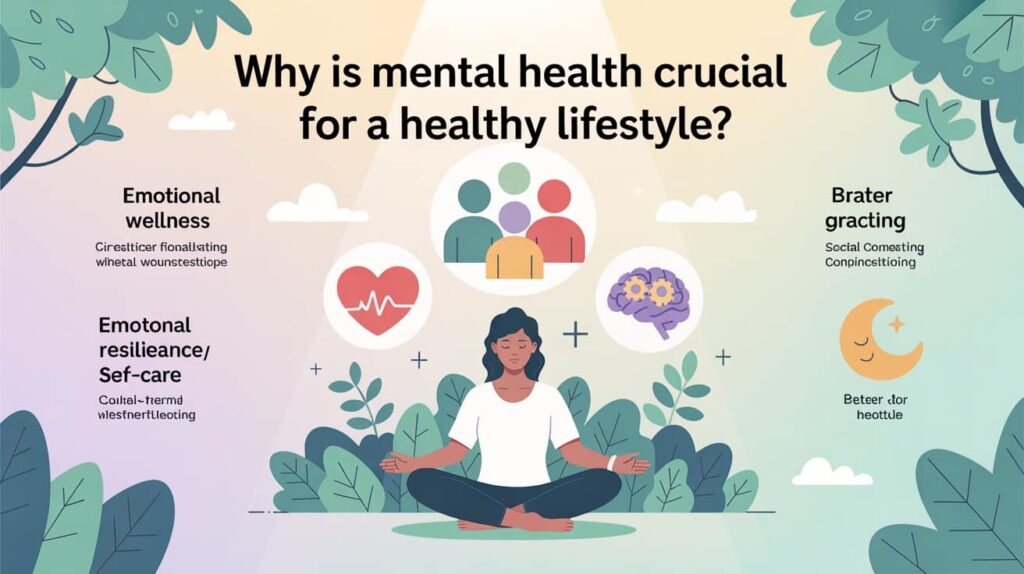
- Stress Management: Practicing mindfulness techniques like meditation or deep breathing can help lower stress and improve emotional well-being.
- Social Connections: Maintaining strong relationships provides emotional support and combats isolation, fostering a sense of belonging and security.
- Self-Care: Engaging in hobbies, setting personal boundaries, and taking time for relaxation fosters mental health and personal growth.
- Professional Support: Seeking therapy or counseling when necessary can provide essential coping mechanisms and help manage mental health issues.
- Improves Emotional Resilience: Taking care of your mental health helps you bounce back from life’s challenges, reducing the impact of stress and adversity on your well-being.
- Enhances Cognitive Function: A positive mental state can boost focus, creativity, and problem-solving skills, making it easier to navigate daily life.
- Promotes Better Sleep: Mental health and sleep are deeply connected. Reducing stress and anxiety can help improve the quality of your sleep, which in turn supports physical health.
FAQs:
How can I improve my gut health with nutrition?
A diet high in fiber, including fruits, vegetables, and whole grains, promotes healthy digestion. Probiotic-rich foods like yogurt and fermented products can also enhance gut health by introducing beneficial bacteria to your digestive system.
What are the benefits of eating whole grains instead of refined grains?
Whole grains are rich in fiber, which aids digestion and helps regulate blood sugar levels. They also contain more vitamins and minerals than refined grains, making them a more nutritious choice for sustained energy and overall health.
Can I get enough protein on a plant-based diet?
Yes, plant-based sources such as lentils, beans, quinoa, and tofu can provide ample protein. With proper planning, a plant-based diet can easily meet your daily protein requirements without relying on animal products.
What are some effective strategies for weight management through nutrition?
Eating nutrient-dense foods like fruits, vegetables, and lean proteins, combined with portion control and mindful eating, can support healthy weight management. Regular physical activity further boosts weight loss and overall health.
How does regular exercise complement a balanced diet?
Exercise helps your body utilize nutrients more efficiently by increasing metabolism and improving nutrient delivery to tissues. Combined with a balanced diet, regular exercise enhances weight management, muscle growth, and cardiovascular health.
Conclusion:
Adopting a balanced diet with a variety of whole, unprocessed foods, staying hydrated, and focusing on the right nutrients are key to living a healthy lifestyle, as emphasized by TimesHealthMag. By understanding how macronutrients, micronutrients, and hydration affect your body, and making informed food choices, you can improve both your physical and mental health for the long run.
Whether it’s cutting back on processed foods, choosing more plant-based meals, or staying active, TimesHealthMag helps you take control of your health in a simple and sustainable way.
Also Read:
